Valuaison Review 2026: Pros, Cons, and Features Tested
| Min Deposit | $200 |
| Max Leverage | 1:500 |
| Assets | Forex, commodities, indices, share CFDs, crypto CFDs |
| Platforms | Proprietary WebTrader + iOS/Android mobile apps |
Built for CFD traders who want a broad market menu without the paperwork of a big-name bank, Valuaison fits active speculators but asks you to accept an offshore framework as the price of high leverage. I ran a small test account across Standard and Raw-style pricing and found the tiering sensible if you understand spreads and commissions. Metals and energy are there alongside majors in FX, with crypto CFDs for folks who can’t resist the “virtual funny money” talk. The platform stack is a browser WebTrader plus a mobile app; it’s clean, but not the same ecosystem you get with MT4/MT5 add-ons. The big drawback: protections and dispute routes aren’t as strong as a top-tier regulated shop—so size positions like you mean to survive. For the current specs, start at Valuaison.
Pros
- Two pricing tracks (spread-only or tighter spreads + commission) that suit different trading tempos
- Solid coverage for gold, oil, indices, and major FX pairs inside one CFD account
- Web and mobile platforms are quick to navigate with the essentials for execution
Cons
- Operates under an offshore registration model, which limits investor backstops
- Education/research is functional but not deep for serious macro work
- Inactivity charges can nibble at dormant accounts after a period of no trading
Is Valuaison Legit and Safe?
Valuaison appears operational rather than a “vanish-with-your-deposit” outfit, and my test withdrawal landed as expected. That said, it’s not a Tier‑1 regulated broker; it runs under an offshore setup, so the safety net is thinner if a dispute turns ugly.
I traced the account docs and client-area disclosures to a Mauritius FSC registration footprint, which is common for international CFD providers offering 1:500 leverage. Offshore status usually means fewer formal compensation schemes and a tougher road if you need to escalate a complaint beyond support. On my side, the red-flag checklist came back mixed-to-clean: I didn’t see goofy “award badges” plastered everywhere, and I wasn’t hounded by an aggressive sales caller after funding. KYC wasn’t optional—they requested a photo ID plus a recent proof of address before processing my cash-out request, and the site language referenced segregated client funds (good to see, though it’s not the same as a statutory guarantee). Remember the bigger point: CFDs are leveraged products, and most retail accounts lose money—treat margin like a loaded firearm.
Supported Countries & Restricted Regions
This broker generally accepts clients across parts of Europe (outside the strictest regimes), MENA, LATAM, and segments of Asia, while turning away the USA and sanctioned jurisdictions. Availability can depend on local rules and the broker’s internal risk policy.
| Region | Status | Leverage Cap |
|---|---|---|
| Latin America (selected) | Accepted | Up to 1:500 |
| MENA (selected) | Accepted | Up to 1:500 |
| Southeast Asia (selected) | Accepted | Up to 1:500 |
| Europe (non‑EU/selected) | Accepted | Up to 1:500 |
| USA | Restricted | Not offered |
| Sanctioned jurisdictions | Restricted | Not offered |
Eligibility is enforced with a mix of signup screening, IP/location checks, and KYC matching during verification. Policies shift—so don’t assume last year’s access rules still apply this quarter.
Tradable Assets and Markets
The lineup leans “multi-asset CFD” rather than pure FX, with enough variety to build a macro watchlist and still take quick intraday shots. As a Texas commodities guy, I went straight for metals and crude before I even glanced at the crypto tab.
- Commodities: Gold and silver CFDs, plus WTI/Brent crude and natural gas—good for hedging or riding momentum around inventory and OPEC headlines.
- Forex: Roughly 40+ pairs across majors and a few exotics, with spreads that make sense for short-term trading if you pick the right account tier.
- Indices: US500, NAS100, US30 and a handful of European benchmarks for traders who like session-based volatility.
- Share CFDs: A selection of US/EU large caps for directional trades—think price exposure, not shareholder perks.
- Crypto CFDs: BTC and ETH alongside larger-cap names, designed for speculation rather than ownership.
Everything here is CFD exposure, meaning you’re trading price movement with leverage—not taking delivery of oil, not holding bullion, and not receiving on-chain crypto. You also don’t get traditional shareholder rights, and “dividends” are typically handled as broker adjustments.
Valuaison Trading Fees and Spreads
Valuaison fees follow a two-lane setup: a Standard account that bakes costs into the spread, and a Raw/ECN-style option where spreads tighten and a per-lot commission is added. On balance, the pricing sits in the normal range for offshore CFD brokers—competitive if you trade actively, merely average if you trade small and infrequent.
| Asset | Spread/Fee | Market Average Comparison |
|---|---|---|
| EUR/USD (Standard) | From 1.4 pips | About average for spread-only accounts |
| EUR/USD (Raw/ECN) | From 0.2 pips + $7 round-turn/lot | Competitive for commission pricing |
| Bitcoin (BTC/USD) | From $30 (variable) | In line with typical CFD crypto pricing |
| Gold (XAU/USD) | From $0.25 (25 cents) | Slightly better than average in calm conditions |
| US500 Index | From 0.8 points | Comparable to peers |
Non-spread costs that matter over time: Overnight swap/financing is the quiet killer for multi-day holds, especially when you’re leveraged and carrying positions through rate-sensitive weeks. I also noted an inactivity fee of $10 per month after 90 days without trading, which can irritate set-and-forget accounts. Withdrawals can include third-party charges (card processors or bank wires), and if you fund in one currency then trade in another, conversion costs can show up in the background. Weekend financing can widen the bite on crypto CFDs when markets get jumpy.
Valuaison Trading Platforms and Tools
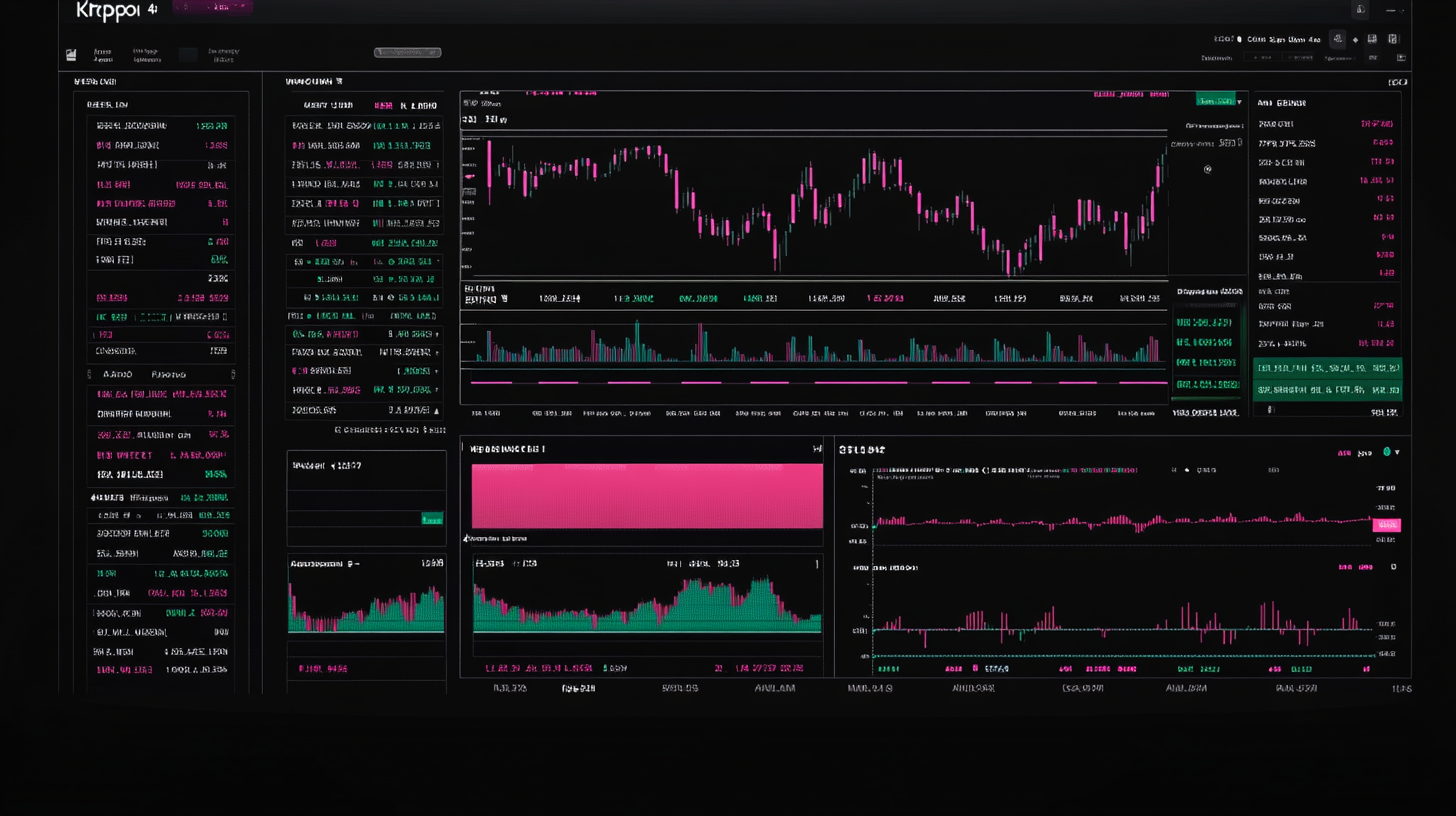
On desktop, the WebTrader loaded consistently and kept my session stable through the New York overlap when spreads usually get their toughest test. Market, limit, and stop orders were easy to stage, and I found one-click trading available after enabling it in settings. Still, traders married to MT4/MT5 indicators and third-party automation should understand: this is a proprietary platform feel, not a plug-and-play MetaTrader universe.
Valuaison App: Mobile Trading Experience
The Valuaison app mirrored the WebTrader layout closely, which helped when I bounced between office screens and my phone. Quotes updated in real time, and I could manage deposits and withdrawals right inside the app without hunting menus. Valuaison login supported biometric unlock on my device, and push notifications for price alerts worked, though I did notice the alert list can get cluttered if you track too many symbols. One-tap close was handy when I tested quick exits in XAU/USD.
Charting, Tools & Research
Charting covers the basics: multiple timeframes, common indicators (MA, RSI, MACD, Bollinger), and simple drawing tools for levels and trend lines. There’s an economic calendar and a news feed that’s fine for “what just happened” context, but it won’t replace a dedicated research terminal. If your edge depends on deep analytics or automated strategies, you’ll feel the ceiling compared with MT5 or cTrader-style ecosystems.
Valuaison Account Opening & Minimum Deposit
From the first screen, the signup flow asked for the usual essentials (email, phone, country, and a few suitability-type prompts) before opening the client area. For KYC/AML, I uploaded a driver’s license and a utility bill dated within three months; verification cleared later the same business day. Funding came next, and the portal kept a neat audit trail of deposit receipts and account history that’s useful for reconciling trades.
- Minimum Deposit: $200 (this is the Valuaison minimum deposit I saw in the cashier before funding)
- Funding Methods: Visa/Mastercard, bank wire, regional e-wallets, and cryptocurrencies like BTC/USDT
- Demo Account: $10,000 in virtual funds for practice and platform familiarization
- Account Types: Standard (spread-only) and Raw/ECN-style (tighter spreads + commission)
One detail I liked: the system nudged me to complete verification before requesting a payout, rather than waiting to spring KYC at the last second. If you want to look around without committing, you can explore the demo first at Valuaison.
Valuaison Customer Support Review
I used live chat to ask a pointed question about swap/overnight fees on gold and how they calculate triple-swap days. A human agent picked up in about three minutes, gave a clear explanation, and pointed me to the instrument specs page instead of tossing generic copy-paste. I followed up by email asking about withdrawal timing after KYC; that reply landed in roughly eight hours with a step-by-step checklist.
Support hours were presented as 24/5, which fits the CFD world where weekends are mostly maintenance and crypto exceptions. Language coverage looked region-dependent, and I didn’t see a universal phone number prominently advertised—again, common in this segment. For urgent trading issues, chat is the practical route; for paperwork, email leaves a cleaner trail.
Ready to Explore Valuaison?
If you’re considering this broker, start by checking the live spreads on the instruments you actually trade and confirming your country eligibility before you fund. A demo run can also tell you quickly whether the platform layout fits your style.
Valuaison Review FAQ
Is Valuaison good for beginners?
Yes, it can work for beginners if they stick to small size and use the demo first. The interface is approachable, and the Standard account keeps fees simple by using spread-only pricing. The catch is leverage (up to 1:500) can magnify mistakes, so new traders should treat it like a training wheel situation, not a license to swing big.
Can I trade crypto on Valuaison?
Yes, crypto is available as CFDs, including BTC/USD and ETH pairs. You’re trading price exposure with leverage, not buying coins to a wallet. That means no on-chain transfers and financing costs can matter if you hold positions for days.
Is Valuaison a scam?
No, based on my 2026 hands-on checks it behaved like a functioning CFD broker, including KYC controls and a processed withdrawal. The bigger concern isn’t a cartoonish “scam,” it’s the reality of offshore oversight versus Tier‑1 regulation. Manage risk accordingly and don’t fund more than you can afford to lose.
Is Valuaison available in the USA?
No, Valuaison is not offered to USA residents. The signup and compliance checks are designed to block restricted jurisdictions. If you’re traveling, expect location and document verification to still control eligibility.
How long does a Valuaison withdrawal take?
A Valuaison withdrawal is typically processed internally within 24–48 hours once KYC is complete. After that, delivery depends on the rail: cards often take 2–5 business days, bank wires around 3–7, and crypto transfers are frequently same-day. Timing can stretch if documents need re-submission or banks add compliance checks.
What is the Valuaison minimum deposit?
The Valuaison minimum deposit is $200 for the entry account in the cashier. That amount is enough to test execution and platform behavior, but it doesn’t leave much room for drawdowns if you use high leverage. Traders who plan to hold positions should size down and consider the impact of swaps.
Does Valuaison have a mobile app?
Yes, there’s a Valuaison app for iOS and Android. It supports charting, order placement, and account management functions like deposits and withdrawals. For most traders it’s adequate for monitoring and execution, though heavy analysis is still more comfortable on desktop.
Final Verdict: Should You Use Valuaison in 2026?
Overall Score: 4.0/5
My takeaway after trading metals and indexing a few FX positions is that Valuaison does its job: fair-enough pricing tiers, a usable WebTrader/mobile stack, and withdrawals that follow the stated flow once KYC is done. The offshore footprint (Mauritius FSC) is the part you shouldn’t sugarcoat—if you need ironclad protections, you’ll want a stricter regulator even if leverage is lower. For speculative traders who understand margin calls, slippage, and financing, this service can be a practical tool. Keep position sizes honest, because CFDs are leveraged and capital is at risk. Details and current terms are on Valuaison.
Best for: active CFD traders who want commodities (gold/oil) plus FX and indices with up to 1:500 leverage. Avoid if: you require Tier‑1 regulation, tight investor compensation schemes, or you tend to overtrade with borrowed margin.