Starling Aegistra Review 2026: Pros, Cons, and Features Tested
| Min Deposit | $200 |
| Max Leverage | 1:500 |
| Assets | Forex, Commodities, Indices, Share CFDs, Crypto CFDs |
| Platforms | Proprietary WebTrader + iOS/Android mobile apps |
Built as an offshore CFD venue, Starling Aegistra suits short-term speculators who want leverage across major markets, with the catch being lighter investor protections than a top-tier regulated shop; for my money, that matters as much as the spread. In this Starling Aegistra review, I ran a small funded test and found two main account tiers (spread-only and a commission model), a multi-asset lineup that includes metals and crude, and a clean WebTrader that doesn’t lean on the old MT4/MT5 ecosystem. The mobile build is functional for managing risk on the go, while research is thin compared with bigger names. I’d treat Starling Aegistra as a trading tool, not a vault.
Pros
- Solid market coverage for metals and energy alongside FX and indices
- Choice between spread-only pricing and Raw/ECN-style commission pricing
- WebTrader feels responsive, with practical order controls for active trading
Cons
- Offshore framework means weaker dispute and compensation paths
- Education content is light—fine for veterans, thin for brand-new traders
- Dormant accounts can rack up an inactivity charge after a period
Is Starling Aegistra Legit and Safe?
Starling Aegistra looks operational and tradeable rather than a fly-by-night “Starling Aegistra scam” setup, but it’s not the same safety profile you get under FCA/ASIC-style oversight. The key caveat is its offshore registration model, which typically gives you higher leverage in exchange for fewer formal protections.
I checked the legal footer, support docs, and onboarding flow, and what I saw points to a Mauritius FSC registration footprint for the entity I opened under. That’s a real jurisdiction used by a lot of CFD outfits, but it doesn’t deliver the same investor backstops or easy escalation routes you’d have in the UK or Australia. In practice, offshore status often means more flexible leverage (here up to 1:500) and more “broker discretion” language around disputes. On the red-flag side, I didn’t run into hard-sell calls or fake trophy-badge clutter; the tone was more transactional than salesy. The better sign: KYC wasn’t optional—ID plus proof of address was required before I could submit a withdrawal request, and the site language referenced segregated client funds (worth reading carefully, since wording isn’t the same as audited proof). Remember: CFDs are leveraged products, and most retail accounts lose money—only risk what you can afford to lose.
Supported Countries & Restricted Regions
The broker generally accepts clients across parts of LATAM, MENA, Southeast Asia, and selected non-EU European countries, while the USA and sanctioned jurisdictions are off-limits. Availability is account-entity dependent, so your exact location matters.
| Region | Status | Leverage Cap |
|---|---|---|
| Latin America (selected countries) | Accepted | Up to 1:500 |
| MENA (selected countries) | Accepted | Up to 1:500 |
| Southeast Asia (selected countries) | Accepted | Up to 1:500 |
| Non-EU Europe (selected countries) | Accepted | Up to 1:200 |
| USA | Restricted | Not offered |
| Sanctioned jurisdictions | Restricted | Not offered |
Eligibility isn’t just a checkbox—IP location, phone country code, and KYC documents can trigger extra screening. Policies also shift as regulations tighten, so it’s smart to confirm access before you fund an account.
Tradable Assets and Markets
From a Texas desk, I care most about barrels and bullion, and this service at least keeps those front and center while still offering the usual FX and index CFDs. The catalog is broad enough for macro-style rotation, even if it’s not a “thousands of symbols” supermarket.
- Commodities: Gold and silver CFDs are available alongside energy like WTI/Brent crude and natural gas, with contract sizing suited to retail margin.
- Forex: Roughly 40+ pairs covering majors and a mix of minors; exotics show up, but liquidity can be patchy at off-hours.
- Indices: The usual suspects—US500, NAS100, US30, plus European benchmarks like GER40 and UK100.
- Share CFDs: A curated list of US/EU large caps for directional trades, not long-term investing.
- Crypto CFDs: BTC and ETH plus a handful of large-caps, priced as derivatives rather than deliverable coins.
All of this is CFD exposure: you’re trading price movement on margin, not owning stock certificates, not taking delivery of metal, and not moving crypto on-chain. That can be efficient for hedging and speculation, but it also means financing costs and liquidation risk come with the territory.
Starling Aegistra Trading Fees and Spreads
Pricing is split between a Standard account (spread-only) and a Raw/ECN-style tier where spreads tighten and a per-lot commission is added. On my test, EUR/USD on Standard floated around a 1.6-pip “from” quote in normal conditions, while the commission account pushed the all-in cost down for frequent trading. Versus many offshore CFD brokers, it lands in the middle of the pack.
| Asset | Spread/Fee | Market Average Comparison |
|---|---|---|
| EUR/USD (Standard) | From 1.6 pips | About average for offshore CFD brokers |
| EUR/USD (Raw/ECN) | From 0.2 pips + $7 round-turn/lot | Competitive for active traders |
| Bitcoin (BTC/USD) | From $30 | In line with typical CFD pricing; can widen on weekends |
| Gold (XAU/USD) | From $0.35 | Slightly better than average in calm markets |
| US500 Index | From 0.9 points | Roughly market-consistent |
Non-spread costs that matter: Overnight swap/financing is the quiet bill that eats swing trades—especially if you hold indices or FX through multiple sessions. After 90 days of no activity, I saw an inactivity fee of $10 per month listed in the client terms, which can sting small accounts. Withdrawals were shown as method-dependent and can include third-party banking charges, and if you fund in one currency and trade in another, conversion spreads can sneak into the total cost of ownership.
Starling Aegistra Trading Platforms and Tools
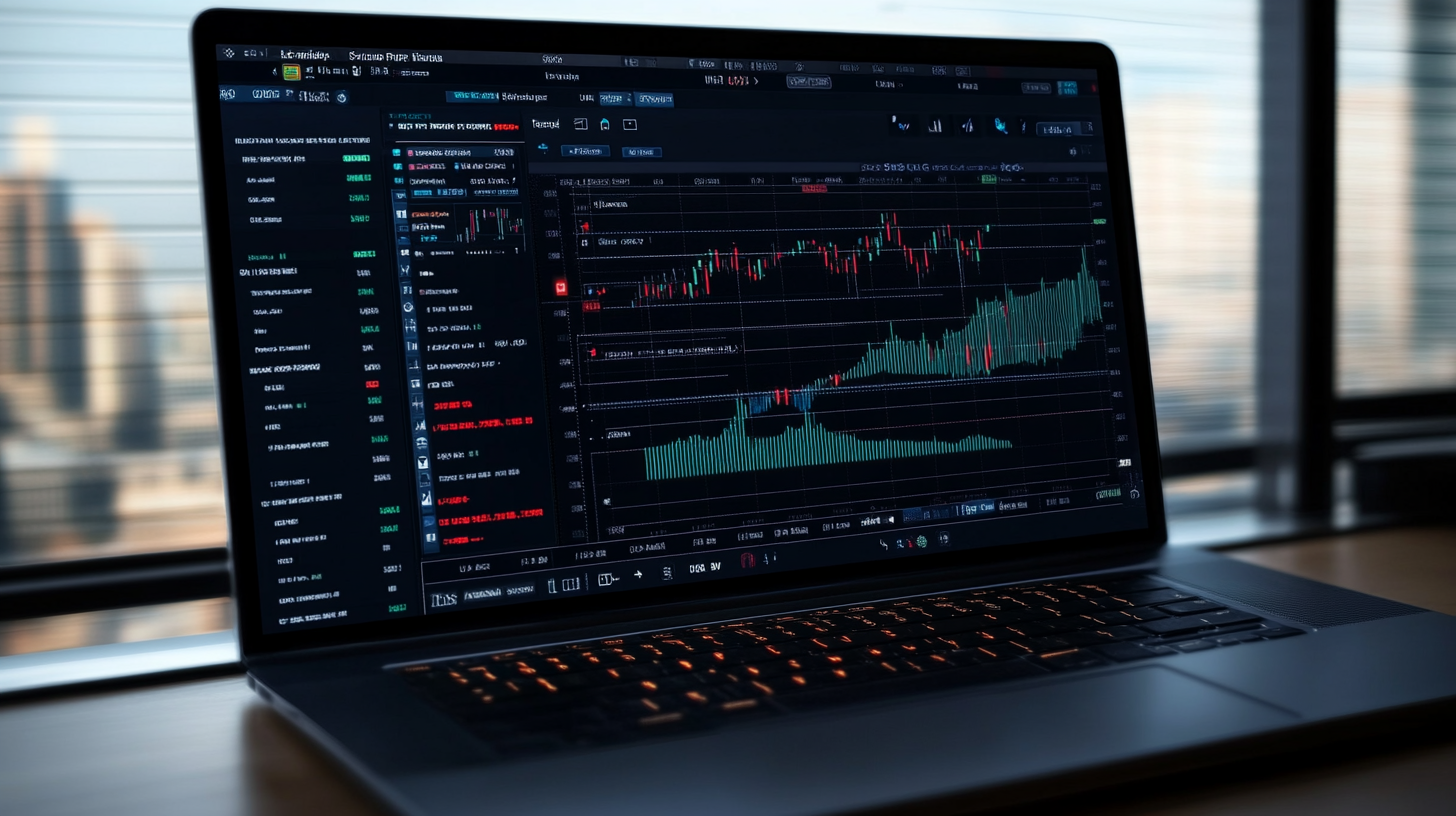
My first stop was the browser platform, because I’m not interested in fancy skins if the order ticket can’t behave when the tape speeds up. WebTrader loaded consistently across several sessions, and the layout made it easy to flip between gold, WTI, and the dollar pairs without digging through menus. You get the core order types (market, limit, stop), plus risk controls like stop-loss and take-profit; the gap is the smaller third-party ecosystem you’d normally lean on with MT4/MT5 (custom indicators, trade copiers, and a giant plugin universe).
Starling Aegistra App: Mobile Trading Experience
The Starling Aegistra app felt built for monitoring and quick action rather than deep analysis, which is fine if you respect your stops. Quotes updated smoothly, and I could place limit/stop orders and close positions with a single tap. The Starling Aegistra login supported biometric unlock on my device, and deposits/withdrawals were reachable from the same menu—handy when you need to move margin fast. One quirk: chart space is tight in landscape, so indicator stacking gets crowded.
Charting, Tools & Research
Tooling is serviceable: multi-timeframe charts, the common indicators (MA, RSI, MACD, Bollinger), drawing tools, watchlists, and price alerts. There’s also an economic calendar and a lightweight news feed, enough to keep an eye on CPI/FOMC-type landmines. Still, traders who live on advanced backtesting, depth-of-market, or heavy automation will find the ceiling quicker than they would on MT5 or cTrader.
Starling Aegistra Account Opening & Minimum Deposit
After I filled in the signup form (email, phone, residency, and a basic suitability set), the platform routed me into identity checks that matched standard AML practice. For KYC, I uploaded a driver’s license and a recent utility bill; the upload screen accepted clear photos and flagged glare issues. Verification came through later the same business day, and the account dashboard then unlocked full funding and withdrawal options.
- Minimum Deposit: $200 (this is the Starling Aegistra minimum deposit I was prompted with at funding)
- Funding Methods: Visa/Mastercard, bank wire, regional e-wallets, and crypto options like BTC and USDT
- Demo Account: $10,000 virtual balance for practice and platform familiarization
- Account Types: Standard (spread-only) and Raw/ECN-style (tighter spread + $7 round-turn commission per lot)
Funding by card credited quickly in my case, with an on-screen confirmation and a transaction record in the wallet tab. Account base currency choices were limited to the usual majors, so if your bank runs a different currency, expect conversion costs to be part of the real-world math.
Starling Aegistra Customer Support Review
I leaned on support for one thing that actually matters to traders: swap transparency on gold and what triggers a margin call when leverage is cranked up. Live chat got back to me in roughly three minutes and pointed me to the contract specs page, including the overnight financing field and where it updates. I also sent an email asking about Starling Aegistra withdrawal timing on cards versus crypto; the reply landed in about eight hours with a clean breakdown of internal processing (24–48 hours after KYC) and the typical banking rails delay.
Coverage is broadly 24/5, which fits the FX and index week; weekends can be slower unless you’re trading crypto CFDs. Language help depends on who’s on shift, and phone support wasn’t advertised prominently for my region. For an offshore broker, that’s not unusual—just don’t expect white-glove handholding if you’re the kind of trader who needs constant coaching.
Ready to Explore Starling Aegistra?
If you’re considering this broker, start by checking the platform screens yourself and confirming your country eligibility before sending serious money. I’d also compare the live spreads you see at your trading hours—especially around the London/NY overlap—so the costs match your style.
Starling Aegistra Review FAQ
Is Starling Aegistra good for beginners?
It can be, but only if you keep position sizes small and use the demo first. The interface is manageable and the $10,000 demo helps you learn order tickets without paying tuition to the market. The offshore leverage (up to 1:500) is not beginner-friendly if you treat it like “free power.”
Can I trade crypto on Starling Aegistra?
Yes, crypto is available as CFDs (for example BTC/USD and ETH/USD). You’re trading price exposure on margin rather than owning coins in a wallet. Expect wider pricing during low-liquidity periods and weekend financing effects.
Is Starling Aegistra a scam?
No, based on my 2026 test it behaved like a functioning CFD broker: KYC was enforced, trades executed, and the withdrawal workflow was available after verification. That said, “not a scam” isn’t the same as “top-tier regulated,” and offshore registration means you carry more counterparty risk than with an FCA/ASIC broker. If you’re asking “is Starling Aegistra legit,” my answer is: legit enough to operate, but treat it as higher-risk infrastructure.
Is Starling Aegistra available in the USA?
No, the USA is restricted and accounts are not offered to US residents. This is common for offshore CFD providers due to US regulatory rules. If you try anyway, you’ll typically be blocked at signup or during KYC.
How long does a Starling Aegistra withdrawal take?
Most withdrawals are processed internally within 24–48 hours once your KYC is approved. After that, cards commonly take 2–5 business days to land, and bank wires may run 3–7 business days. Crypto payouts are often the fastest, frequently arriving the same day depending on network conditions.
What is the Starling Aegistra minimum deposit?
The Starling Aegistra minimum deposit is $200 for the account I opened. You can fund by card, wire, e-wallets, or supported crypto rails like BTC/USDT. If you’re testing the waters, consider using the demo first and then funding the smallest amount that fits your risk plan.
Does Starling Aegistra have a mobile app?
Yes, there are iOS and Android apps for trading and account management. You can monitor positions, place orders, and access deposits and withdrawals from the phone. Mobile charting is decent, though heavy indicator work is still easier on desktop.
Final Verdict: Should You Use Starling Aegistra in 2026?
Overall Score: 4.0/5
Oil and gold traders don’t need fireworks—they need usable execution, clear costs, and a platform that doesn’t fall apart when volatility hits. Starling Aegistra delivered a respectable WebTrader, workable spreads (especially on the Raw/ECN tier), and a product list that actually includes the hard-asset stuff I care about. The haircut is the offshore setup: fewer formal protections, higher leverage, and more responsibility on you to manage margin. If you understand CFD risk and keep your sizing honest, Starling Aegistra can earn a spot as a secondary trading venue in 2026.
Best for: Active CFD traders who want leveraged access to metals, crude, and major indices. Avoid if: You require Tier-1 regulation, guaranteed compensation schemes, or you’re prone to over-leveraging.