Roma Softech Review 2026: Pros, Cons, and Features Tested
| Min Deposit | $200 |
| Max Leverage | 1:500 |
| Assets | Commodities, Forex, Indices, Share CFDs, Crypto CFDs |
| Platforms | WebTrader (browser) + iOS/Android mobile apps |
Built as a multi-asset CFD venue, Roma Softech fits traders who want one screen for FX, indices, and the hard stuff—gold and crude—while accepting the big trade-off: offshore oversight and higher leverage go hand in hand. In my test account, the menu was split into a spread-only Standard tier and a tighter-spread Raw/ECN-style option aimed at faster intraday work. Commodities coverage is the headline for my kind of book, with XAU/USD and WTI sitting front and center. The platform stack is a proprietary WebTrader plus mobile, which is usable, but it’s not the same universe as a full MT4/MT5 plugin ecosystem. One practical plus: deposits and withdrawals are accessible right inside the client portal at Roma Softech.
Pros
- Solid CFD lineup for gold, oil, and major indices alongside FX
- Two fee tracks: spread-only Standard or commission-based Raw/ECN-style
- Mobile app mirrors the web platform well for monitoring and quick risk cuts
Cons
- Operates under an offshore registration model, so dispute escalation is limited
- Education and research are serviceable, not deep-dive quality
- Inactivity charge can bite if you park an account and forget it
Is Roma Softech Legit and Safe?
Roma Softech looked operational and tradeable in my 2026 check—orders filled, KYC was enforced, and withdrawals processed—but it’s not the same safety net you’d expect under top-tier regulators. I did not see “instant riches” gimmicks or forced-bonus tricks during signup, yet the offshore framework means fewer formal protections if something turns into a dispute.
Regulatory footing matters, and this broker presented itself as registered with the Mauritius FSC, which typically allows higher leverage and broader product lists than stricter jurisdictions. That flexibility comes with a thinner investor-compensation backdrop, and complaints don’t have the same clear external ombudsman path you’d get with FCA-style setups. On the trust side, I ran a simple red-flag scan: no pushy phone closer hounding me after I declined an “upgrade,” no suspicious trophy-badge wall, and the withdrawal flow didn’t detour into extra “verification fees.” KYC wasn’t optional—ID plus proof of address were required before I could finalize a payout request—and the legal pages referenced segregated client-funds language (good to see, even if enforcement differs offshore). Remember: CFDs are leveraged products; margin calls happen fast, and most retail accounts lose money trading CFDs—only risk capital.
Supported Countries & Restricted Regions
This broker accepted signups across a wide international mix—parts of LATAM, MENA, Africa, and non-EU Europe showed as eligible in my onboarding checks—while the USA and sanctioned jurisdictions were blocked.
| Region | Status | Leverage Cap |
|---|---|---|
| Latin America (selected countries) | Accepted | Up to 1:500 |
| MENA (selected countries) | Accepted | Up to 1:500 |
| Sub-Saharan Africa (selected countries) | Accepted | Up to 1:500 |
| Non-EU Europe (selected countries) | Accepted | Up to 1:200 |
| USA | Restricted | Not offered |
| Sanctioned jurisdictions | Restricted | Not offered |
Eligibility was checked both by residency details and document review, and the portal also appeared to use IP/location signals for an initial filter. Policies change with compliance and payment rails, so it’s smart to confirm your country status before funding.
Tradable Assets and Markets
The product shelf is broad enough for a one-broker CFD setup, and it’s clearly built for the classic CFD mix: FX for volume, indices for macro moves, and commodities for those of us who trust what can be dug up or pumped out.
- Commodities: Gold and silver CFDs, plus energy like WTI/Brent and natural gas—good for hedging headlines and inventory weeks.
- Forex: Roughly 40+ pairs across majors and minors with a sprinkling of higher-volatility crosses.
- Indices: US500, NAS100, US30 and key European benchmarks for session-based trading.
- Share CFDs: A selected list of US/EU large caps for event-driven trades (earnings and sector rotations).
- Crypto CFDs: Big names like BTC and ETH offered as CFDs—high-volatility, wide-financing territory.
All of this is CFD exposure, meaning you’re trading price movement, not owning the underlying asset. You don’t get shareholder voting rights, and “crypto” here isn’t on-chain—no wallet transfer, just a derivative price feed.
Roma Softech Trading Fees and Spreads
Roma Softech fees follow a two-lane structure: Standard accounts pay via the spread, while Raw/ECN-style pricing tightens the spread and adds a per-lot commission. In my cost checks, the Raw option looked more efficient for frequent traders, while Standard pricing sits in the middle of the offshore CFD pack.
| Asset | Spread/Fee | Market Average Comparison |
|---|---|---|
| EUR/USD (Standard) | From 1.6 pips | About average |
| EUR/USD (Raw/ECN) | From 0.2 pips + $7 round-turn/lot | Competitive for active trading |
| Bitcoin (BTC/USD) | From 0.35% (variable) | Average to slightly high in quiet hours |
| Gold (XAU/USD) | From $0.35 | Competitive |
| US500 Index | From 0.8 points | In line with typical CFD pricing |
Other costs that matter over time: Overnight swap/financing is the quiet leak many traders ignore—hold gold or indices for weeks and you’ll feel it, especially around triple-swap days. The account terms also listed a $10 monthly inactivity fee after 90 days with no trading activity, which is the kind of thing that punishes “set it and forget it” accounts. On withdrawals, I didn’t see a broker-side surprise charge in the portal, but your bank/card provider can still tag fees, and conversions can sting if you fund in one currency and settle in another.
Roma Softech Trading Platforms and Tools
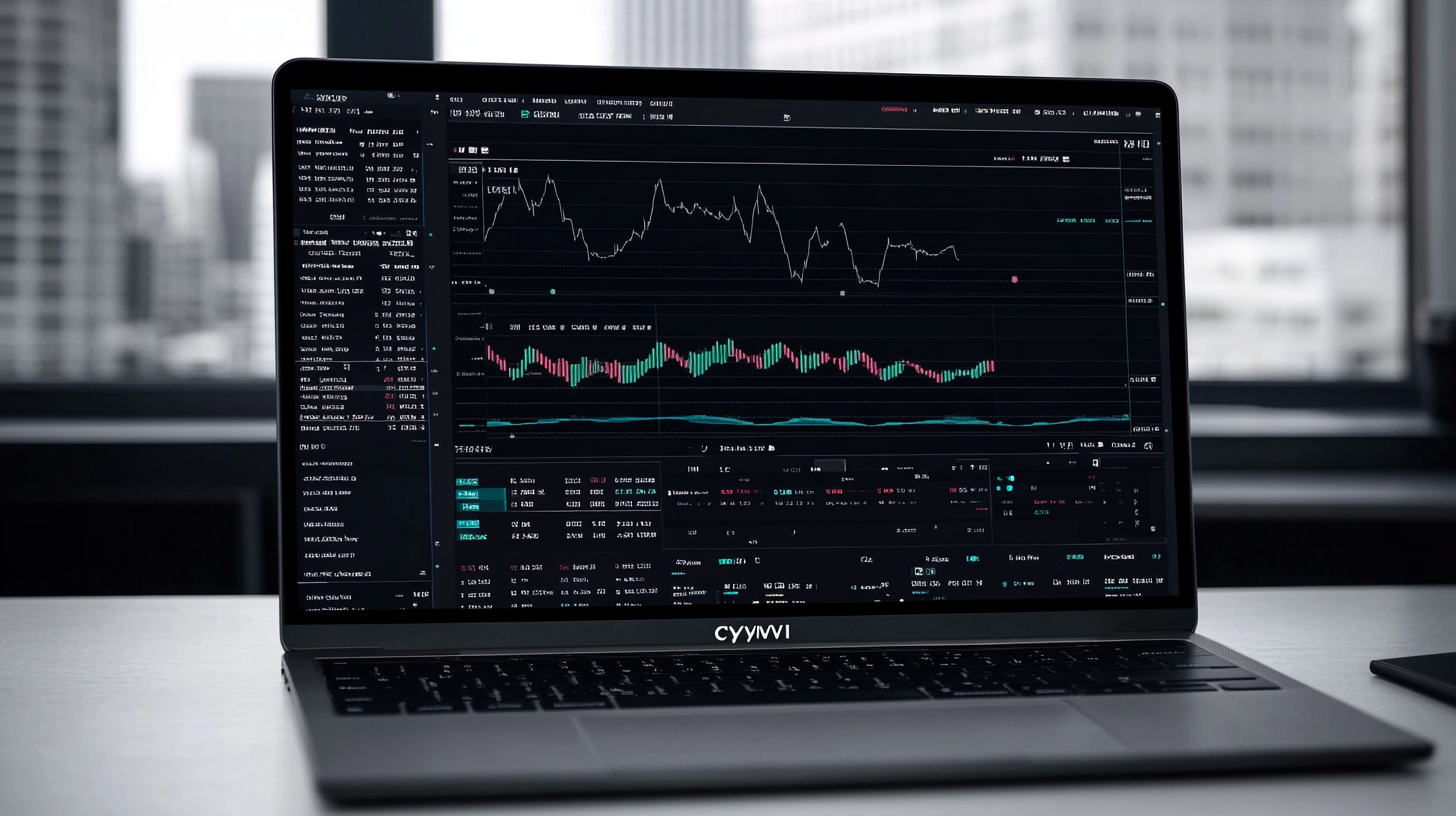
On desktop, the WebTrader behaved like most proprietary CFD terminals: clean layout, quick symbol search, and enough order controls for day-to-day work. I placed a small XAU/USD market order during the New York overlap and got a fill without a requote; the execution speed felt fine for retail sizing, though you’re still at the mercy of liquidity and slippage when news hits. If you’re married to MT4/MT5 indicators and third-party trade managers, you’ll notice the gap—this platform is more “contained,” by design.
Roma Softech App: Mobile Trading Experience
The Roma Softech app is built for monitoring and fast reaction: live quotes, one-tap position close, and a tidy positions tab that makes it easy to cut risk when the tape turns. The Roma Softech login on my phone supported biometric unlock, and I could deposit and request a withdrawal from the same menu without hunting through settings. A minor quirk: on smaller screens, chart annotations can feel cramped, so I wouldn’t do heavy analysis on mobile—just execution and oversight.
Charting, Tools & Research
Charting included the usual indicator bench (moving averages, RSI, MACD, Bollinger) plus basic drawing tools and multi-timeframe views. An economic calendar and embedded news feed were available, useful for staying ahead of CPI/FOMC-style volatility, but it’s not a full research desk. Traders who rely on advanced backtesting or automation will still prefer MT5/cTrader ecosystems; this one is more about manual trading with decent, not endless, tooling.
Roma Softech Account Opening & Minimum Deposit
First thing I noticed in onboarding: the signup asked for the standard identity set—name, residency, and a few compliance questions—before it opened the client area. KYC followed the typical AML checklist: government photo ID plus a proof of address (utility bill or bank statement dated within three months). My verification was approved the same business day after uploading documents, and trading access remained available while the review was pending.
- Minimum Deposit: $200 (the Roma Softech minimum deposit in my test portal)
- Funding Methods: Visa/Mastercard, bank wire, selected e-wallets, and crypto rails like BTC/USDT
- Demo Account: $10,000 virtual balance—handy for learning the order ticket and margin behavior
- Account Types: Standard (spread-only) and Raw/ECN-style (tighter spreads + commission)
Account currency choices were limited to common base options, so watch conversion if you bank elsewhere. One practical note: even if you can browse the platform first, the provider will generally insist on full verification before a meaningful Roma Softech withdrawal request is completed.
Roma Softech Customer Support Review
I tested support by asking two nuts-and-bolts questions: where to find swap rates for XAU/USD and what the internal withdrawal processing window looks like after KYC. Live chat replied in roughly three minutes with a plain-English answer and pointed me to the instrument specs page; the email follow-up landed about eight hours later with the same details plus a reminder that bank/card rails add extra time after approval. That’s the kind of response I want—less sales talk, more mechanics.
Coverage ran on a 24/5 rhythm, which matches the CFD week, and the help desk language options appeared to depend on the agent queue at the time. I didn’t see a reliable phone line offered in my region, so assume chat and email are your main channels. Weekends were quiet, and that matters if you’re trading crypto CFDs where price can swing while support is thin.
Ready to Explore Roma Softech?
If you’re considering this platform, start with a demo, then check real spreads during your trading hours before committing size. Also confirm your country eligibility and withdrawal method availability in the portal—those details matter more than marketing copy.
Roma Softech Review FAQ
Is Roma Softech good for beginners?
Yes, Roma Softech can work for beginners who stick to small size and use the $10,000 demo first. The WebTrader is not overloaded with advanced modules, which keeps it approachable. The catch is leverage—up to 1:500—so new traders need strict risk rules to avoid fast drawdowns.
Can I trade crypto on Roma Softech?
Yes, you can trade crypto CFDs such as BTC/USD and ETH/USD. You’re trading a derivative, not buying coins into a wallet, so there’s no on-chain transfer. Financing and weekend volatility can make crypto CFDs expensive to hold long term.
Is Roma Softech a scam?
No, based on my 2026 hands-on checks it did not present like a scam: KYC was required and my withdrawal request moved through the normal steps. The real issue is jurisdiction—this is an offshore-registered CFD broker, so your protections are not the same as with a strict regulator. Treat it as higher-risk infrastructure and size accordingly.
Is Roma Softech available in the USA?
No, Roma Softech is not available to USA residents. The signup flow flagged the United States as restricted. If you’re in the US, you’ll need a platform compliant with US rules.
How long does a Roma Softech withdrawal take?
A Roma Softech withdrawal is typically approved internally within 24–48 hours after KYC is in good order. After that, delivery depends on the rail: cards often take 2–5 business days, bank wires 3–7 business days, and crypto can land the same day. Your bank or card issuer can add extra delays outside the broker’s control.
What is the Roma Softech minimum deposit?
The Roma Softech minimum deposit is $200 in the client portal I used. That level is enough to test execution and spreads, but it’s not enough to responsibly run high leverage without tight stops. If you’re learning, using the demo first is the cheaper lesson.
Does Roma Softech have a mobile app?
Yes, Roma Softech has iOS and Android apps. You can watch prices, place trades, manage risk, and handle deposits/withdrawals from the phone. For detailed chart work, the desktop WebTrader still feels roomier.
Final Verdict: Should You Use Roma Softech in 2026?
Overall Score: 3.9/5
For traders who want commodities next to majors and index CFDs, Roma Softech delivers a usable platform and pricing that makes sense once you pick the right account tier for your frequency. I liked the clean execution on a small gold trade and the fact that support answered practical questions without pitching me into a bigger deposit. Still, offshore registration means you’re not buying the same regulatory backstop you’d get elsewhere—keep expectations realistic and risk tight. If you do proceed, run small until you’ve tested funding and Roma Softech withdrawal behavior with your own bank. CFDs are leveraged; capital is at risk.
Best for: active CFD traders focused on gold/oil, major FX pairs, and indices who want higher leverage with clear cost tiers. Avoid if: you need top-tier regulatory protection, deep research tools, or you’re prone to overleveraging.