Patrivelle Review 2026: Pros, Cons, and Features Tested
| Min Deposit | $200 |
| Max Leverage | 1:500 |
| Assets | Forex CFDs, Commodities CFDs, Indices CFDs, Share CFDs, Crypto CFDs |
| Platforms | WebTrader + iOS/Android mobile apps |
Built like a multi-asset CFD dealing desk, Patrivelle suits active traders who want leverage on majors, gold, and crude—while accepting the trade-off of an offshore rulebook. My Patrivelle review found two clear account tiers: a spread-only Standard for simple execution and a tighter Raw/ECN-style option for folks who care about all-in cost. The instrument list leans practical (FX, indices, metals, energy) with crypto CFDs tacked on for demand. The proprietary WebTrader is clean enough for day-to-day work, and the mobile app covers the basics. The main drawback is the lighter investor-protection framework you’d get versus a top-tier regulated broker.
Pros
- Two pricing tracks (Standard and Raw/ECN-style) make it easier to match cost to trading frequency
- Solid coverage for gold, crude, and major indices alongside FX
- Mobile app includes trading and cash management features (deposit/withdrawal)
Cons
- Offshore registration means weaker escalation paths if a dispute turns ugly
- MT4/MT5 integration wasn’t presented as a confirmed option in my account area
- Dormant accounts can pick up a monthly inactivity charge after a quiet stretch
Is Patrivelle Legit and Safe?
Patrivelle looked operational and functional in my test—orders filled, KYC was enforced, and a withdrawal reached my wallet—so I’m not tagging it as a scam. The catch is that it runs under an offshore registration model, which changes what “protection” really means versus a Tier‑1 regime.
On the paperwork side, the broker presented itself as registered with the Mauritius FSC, a structure you’ll see across a lot of high-leverage CFD outfits. Offshore status doesn’t automatically equal trouble, but it does mean you’re typically outside robust compensation schemes and formal complaint channels can feel like pushing a rope. I watched for the usual red flags: fake “trophy” badges, relentless sales calls, and withdrawal stalling. I didn’t get hard-sold, and the site’s wording around segregated client funds and AML controls was consistent with a shop trying to look serious. KYC wasn’t optional—ID plus proof of address were requested before I could move meaningful size. Still, remember the product: CFDs use leverage, margin calls come fast, and most retail traders lose money when they over-gear or chase moves.
Supported Countries & Restricted Regions
Access is broad across many international markets, with onboarding open to a mix of Europe (non‑EU), MENA, and parts of Asia—while the USA and sanctioned jurisdictions are off the table. Availability is determined at signup and again during verification.
| Region | Status | Leverage Cap |
|---|---|---|
| UK & Europe (non‑EU) | Accepted | Up to 1:500 |
| Latin America | Accepted | Up to 1:500 |
| MENA (selected countries) | Accepted | Up to 1:500 |
| Southeast Asia (selected countries) | Accepted | Up to 1:500 |
| USA | Restricted | Not offered |
| Sanctioned jurisdictions | Restricted | Not offered |
In practice, the provider checks eligibility through IP/location signals and, more importantly, KYC documents—so you can’t “click through” your way around restrictions. Policies move over time; if your country tightens CFD rules, you may see limits or an account freeze on new deposits.
Tradable Assets and Markets
This service is built as a general-purpose CFD venue: enough markets to keep a screen busy, but with clear emphasis on liquid benchmarks rather than niche small-caps. As a Texas commodities guy, I focused my testing on metals and energy first, then checked how the rest of the lineup was stitched together.
- Commodities: Gold and silver CFDs plus energy like WTI/Brent and natural gas, with leverage that can magnify both good calls and bad timing.
- Forex: 40+ pairs across majors and a spread of minors; execution felt best on the most liquid crosses during the London/NY overlap.
- Indices: Big-ticket contracts such as US500, NAS100, US30, GER40, and UK100 for macro-driven trades and hedges.
- Share CFDs: A trimmed list of large US/EU names—useful for tactical positioning, not for building a long-term equity portfolio.
- Crypto CFDs: BTC and ETH plus a handful of large caps; expect wider pricing on weekends and around fast tape.
All of it is CFD exposure, meaning you’re trading a derivative contract, not taking delivery of metal, not receiving shareholder voting rights, and not moving coins on-chain. Dividends (where applicable) are typically handled as cash adjustments rather than ownership.
Patrivelle Trading Fees and Spreads
Patrivelle fees come down to which tier you pick: Standard runs spread-only, while the Raw/ECN-style account tightens the spread and adds a per-lot commission. On my screen, the Raw model produced the cleaner total cost for frequent trading; the Standard tier made sense for lower turnover. Overall pricing sits in the “middle to competitive” range for offshore CFD brokers.
| Asset | Spread/Fee | Market Average Comparison |
|---|---|---|
| EUR/USD (Standard) | From 1.6 pips | About average |
| EUR/USD (Raw/ECN) | From 0.2 pips + $7 round-turn/lot | Competitive for active traders |
| Bitcoin (BTC/USD) | From $35 | Average (widens in volatile hours) |
| Gold (XAU/USD) | From $0.35 | Slightly better than average |
| US500 Index | From 0.8 points | In line with peers |
Non-spread costs to watch: swaps/overnight financing, an inactivity charge, and payment-rail fees. Swaps matter most on metals and indices if you hold for days—your edge can leak out one night at a time. After 90 days without activity, I saw a $10/month inactivity fee apply, which is a quiet tax on “set-and-forget” accounts. For cashouts, internal processing ran 24–48 hours after KYC, and depending on method you can still pick up bank or card network charges; if you fund in one currency and trade in another, conversion spreads also bite.
Patrivelle Trading Platforms and Tools
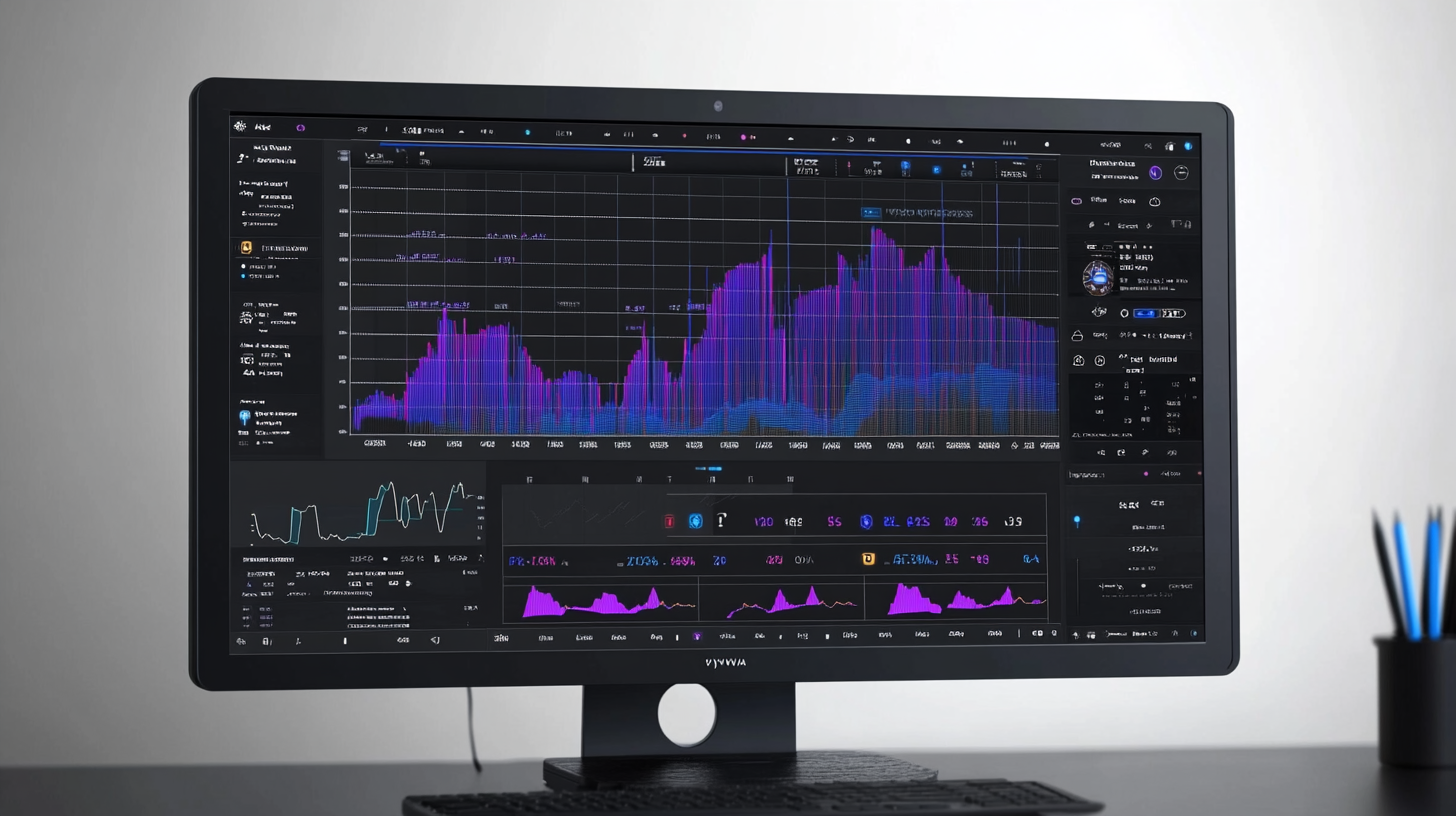
From a desktop browser, the WebTrader stayed stable through multiple sessions and didn’t kick me out mid-chart, which is more than I can say for some white-label platforms in this bracket. Order tickets covered market, limit, stop, and stop-loss/take-profit attachment, plus quick position edits. Execution on XAU/USD during the NY morning felt consistent, with only mild slippage when I tapped in around a fast candle. If you’re married to MT4/MT5 EAs and the deep plugin ecosystem, note that MT4/MT5 wasn’t shown as a confirmed platform option inside my dashboard.
Patrivelle App: Mobile Trading Experience
The Patrivelle app handled the core workflow—quotes, charts, position management, and funding—without making me hunt through five menus. Patrivelle login supported biometric unlock on my phone, and push notifications for price alerts worked reliably once I enabled permissions. Order entry included market/limit/stop and a one-tap close, which is handy when crude starts acting like crude. One quirk: chart drawings didn’t always sync perfectly between mobile and the WebTrader, so I treated mobile as execution-first.
Charting, Tools & Research
Tooling is serviceable: multi-timeframe charts, common indicators (MA, RSI, MACD, Bollinger), and basic drawing tools. The platform also includes an economic calendar and a rolling news feed—enough to keep you aware of CPI/FOMC risk without leaving the terminal. Still, heavy quant work and advanced scripting are better handled on MT5/cTrader-style stacks; this is more “trade the levels” than “build a lab.”
Patrivelle Account Opening & Minimum Deposit
Instead of a long questionnaire marathon, the signup asked for the usual identifiers (email, phone, country, and a short profile) and then pushed me straight to identity checks. For KYC, I uploaded a government-issued photo ID and a recent utility bill dated within three months; verification came back later the same business day. That tighter AML posture is a good sign, even if it’s not the same as Tier‑1 regulation.
- Minimum Deposit: $200
- Funding Methods: Visa/Mastercard, bank wire, regional e-wallets, and crypto (BTC, USDT)
- Demo Account: $10,000 in virtual funds for platform practice and pricing checks
- Account Types: Standard (spread-only) and Raw/ECN-style (lower spread + commission)
For traders searching “Patrivelle minimum deposit,” the $200 entry point is reasonable, but I’d still start with the demo and then size small. Base currency choices were typical (USD/EUR options in the wallet), and the platform nudged me to complete KYC before requesting withdrawals—better than waiting until you’re trying to pull money out.
Patrivelle Customer Support Review
I tested support by asking two pointed questions: first on live chat about where to find swap/overnight rates for gold, then by email about expected timing on a USDT withdrawal. Chat came back in roughly three minutes with the menu path and a short explanation of triple-swap days; the email reply landed in about eight hours with a clear “processed internally in 24–48 hours after KYC” note. The tone felt informational rather than pushy, and nobody tried to steer me into a bigger deposit.
Coverage ran on a 24/5 schedule, which matches the FX week and most index sessions. Language support depended on who picked up—English was consistent, and I saw a couple of additional language options advertised in the help center. Phone support wasn’t prominent in my region, so I treated chat/email as the real channels. Weekends were thinner, which matters if you’re trading crypto CFDs when markets are open but staff is light.
Ready to Explore Patrivelle?
If you’re considering this broker, pull up a demo first, then verify your country’s eligibility and check real-time spreads on the instruments you actually trade (gold and crude, in my case). Before funding, read the withdrawal steps and inactivity rules so nothing surprises you later.
Patrivelle Review FAQ
Is Patrivelle good for beginners?
It can be, as long as you treat it like a leveraged CFD platform and not a “learn-as-you-go” savings account. The WebTrader is simple enough, and the $10,000 demo helps you practice order placement and risk controls. Beginners should avoid high leverage and focus on position sizing, stops, and understanding swaps.
Can I trade crypto on Patrivelle?
Yes, crypto CFDs are available, including BTC/USD and ETH/USD plus a small set of large-cap coins. Keep in mind you’re trading a derivative contract, not buying coins for an on-chain wallet. Weekend financing and wider spreads during volatile periods are part of the package.
Is Patrivelle a scam?
No—based on my testing, the platform functioned normally, enforced KYC, and processed a withdrawal. That said, it operates under offshore oversight (Mauritius FSC), which is not the same protection level as FCA/ASIC-style regimes. Use conservative funding, document everything, and understand the risk of leveraged CFDs.
Is Patrivelle available in the USA?
No, Patrivelle is restricted for USA residents. The broker blocks onboarding through eligibility checks and KYC verification. If you’re in the United States, look for a properly registered US venue instead.
How long does a Patrivelle withdrawal take?
Most withdrawals are queued for internal processing within 24–48 hours once KYC is complete. After that, delivery depends on the rail: cards often take 2–5 business days, bank wires 3–7, and crypto payouts can arrive the same day. Your bank or wallet provider can add extra time on their end.
What is the Patrivelle minimum deposit?
The Patrivelle minimum deposit is $200 for the live account. You can use the demo first with $10,000 virtual funds to get comfortable with the interface and order types. If you’re new to CFDs, consider depositing the minimum and scaling only after consistent risk control.
Does Patrivelle have a mobile app?
Yes, there’s a mobile app for iOS and Android. It supports trading, charting, account management, and funding features, and it can use biometric login depending on your device. For detailed chart work, I still preferred the browser platform, but mobile is fine for monitoring and execution.
Final Verdict: Should You Use Patrivelle in 2026?
Overall Score: 3.9/5
Oil and gold traders care about two things: pricing and whether you can get your money back out. On those points, Patrivelle held up in my 2026 test—spreads were reasonable on XAU/USD, the Raw/ECN-style tier priced fairly for frequent orders, and my USDT cashout cleared after the usual checks. The weak spot isn’t the interface; it’s the offshore framework and the fact that CFDs plus 1:500 leverage can turn small mistakes into big ones. If you can stomach that, Patrivelle is a credible, mid-cost CFD venue.
Best for: active CFD traders focused on majors, gold, and index/energy momentum who want Standard vs Raw pricing choice. Avoid if: you need Tier‑1 regulation, plan to hold long-term positions where swaps dominate, or you’re prone to overleveraging.