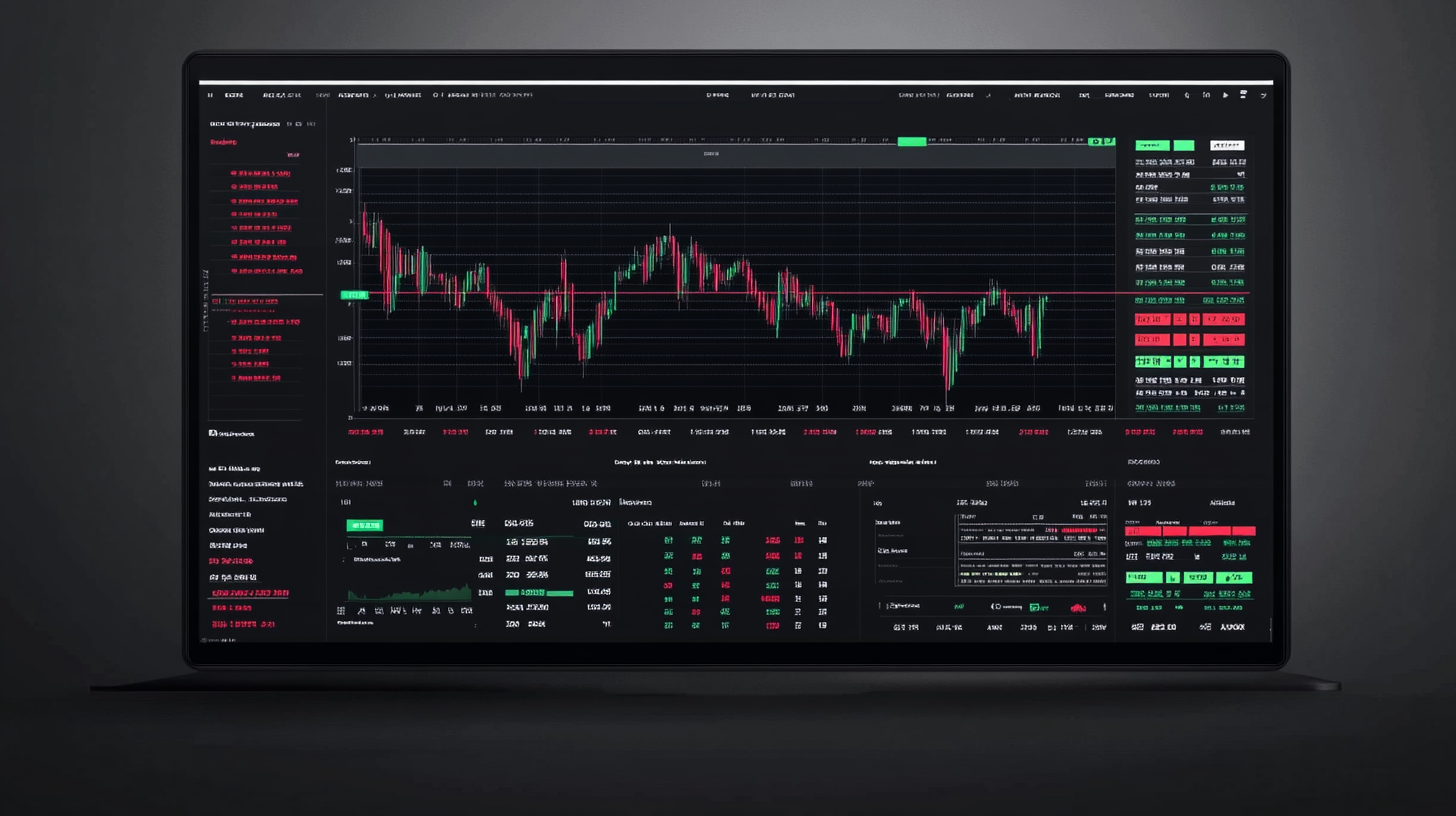
Liardine Trading Platform Alternatives 2026: Reliable Options for Online Traders
Oil traders learn early: what matters isn’t the marketing brochure, it’s what happens when a market gaps at 2:00 a.m. and you need fills, margin clarity, and your money to move. That’s the practical reason a lot of folks end up researching brokers after they’ve already opened an account. Liardine appears to sit in the offshore CFD/forex bucket—typically offering a proprietary WebTrader and mobile app, a relatively small menu of instruments, and headline leverage that can run as high as 1:500. In that corner of the industry, you’ll often see minimum deposits around $250 and EUR/USD spreads that can start near 2.0 pips on a standard-style account, with wider effective costs once slippage and overnight financing are included.
None of that automatically makes a platform “bad,” but it does explain why traders—especially US/EU-based—start lining up Liardine alternatives when they want tighter execution, clearer protections, or real market access beyond CFDs. If your focus is hard assets like crude, gold, and base metals, your priorities tend to be transparent pricing, robust risk controls, and the ability to verify oversight (FCA, ASIC, CySEC, NFA) instead of taking a website’s word for it. This guide to Liardine trading platform alternatives 2026 lays out what to compare, where the risks hide, and which regulated names are commonly used by serious retail and pro-minded traders.
Disclaimer: This article is for informational purposes only and does not constitute investment advice. CFDs and other leveraged products carry a high risk of loss and may not be suitable for all investors.
Key Takeaways (TL;DR)
- If you care about enforceable oversight, start with brokers regulated by FCA/ASIC/CySEC or, in the US, NFA/CFTC—then confirm the license on the regulator’s public register.
- Cost comparisons should be done as “all-in round-turn” (spread + commission + typical slippage), not by headline leverage or a single “from” spread line.
- Many offshore-style platforms lean CFD-first; multi-asset brokers like IBKR or Saxo can offer listed stocks/ETFs and futures access that CFD-only setups don’t match.
What Is Liardine and How Does Its Trading Platform Work?
From what’s publicly typical for this category, Liardine looks like an offshore-style, CFD-first trading venue aimed at retail accounts that want simple web access and high leverage. The product mix usually centers on forex pairs and CFD contracts on indices and commodities, with a smaller crypto CFD list often tacked on. The operating model in this segment is commonly market-maker or hybrid execution, which means the broker may be the counterparty to your trade rather than routing orders directly to an exchange. That can be workable for small sizes, but it puts a spotlight on execution rules, slippage handling, and withdrawal behavior—especially for traders comparing platforms like Liardine to tightly supervised, tier-1 regulated firms.
Liardine Web Trading Platform: Core Features and Tools
The typical setup here is a proprietary WebTrader with an iOS/Android companion app. Charting tends to be “enough to trade” rather than “built for research”: basic timeframes, a standard indicator set, and familiar drawing tools. Order entry is usually straightforward (market, limit, stop), but advanced order logic—complex conditional orders, native bracket orders, or API tooling—may be thinner than what you’d get on MT5/cTrader or a DMA-style platform. Account dashboards in this category usually cover deposits/withdrawals, open positions, margin metrics, and swap accruals. Mobile parity can be decent for monitoring, though active management during high-volatility events depends on how stable the app and price feed remain.
Trading Fees, Spreads, and Account Types at Liardine
Pricing at offshore CFD brokers often comes as a spread-first model. A common reference point is EUR/USD around 2.0 pips on a standard-style account, with “raw” or “pro” tiers sometimes advertising tighter spreads paired with a commission (often roughly $6–$8 round-turn)—though the real cost shows up in your trade blotter once slippage and requotes are counted. Expect overnight financing (swap) on leveraged CFD positions, which matters if you hold oil or gold CFDs for days rather than hours. Fees to watch closely include withdrawal charges, inactivity rules, and currency conversion spreads, which can quietly outweigh the headline spread for lower-frequency traders.
When Do Traders Start Looking for Liardine Alternatives?
Regulation is usually the first domino. Once you realize an offshore framework can limit your recourse if something goes sideways, the search for Liardine alternatives gets real—fast. Costs and tools come next: the difference between a 2.0-pip EUR/USD spread and a tighter, commission-based model isn’t trivia if you trade actively, and proprietary platforms can be a dead end if your strategy needs MT4/MT5, cTrader, or more granular execution reporting. Region rules also matter; US residents are commonly blocked from offshore CFD setups, and EU/UK traders may want negative balance protection and clearer margin policies.
- You need MT4/MT5 or cTrader for automation, trade journaling plugins, or a rules-based execution workflow that a simple WebTrader can’t support.
- Your trading record shows repeated stop-loss slippage during fast crude or gold moves, and you want a broker with clearer execution disclosures and order handling.
- You’re trying to move larger withdrawals and the process becomes slow, document-heavy, or unpredictable compared with the onboarding promises.
- You want real stocks/ETFs or listed futures access (not just CFDs), especially if you hedge commodity exposure with broader portfolio tools.
How to Choose a Reliable Alternative to the Liardine Trading Platform
Picking a replacement broker is less like shopping for a phone and more like setting the rules for how your capital will be treated. Start by matching the broker’s legal oversight and product set to your strategy—then pressure-test costs and execution as if you were already trading size. For traders comparing alternatives to the Liardine trading platform, the goal is simple: fewer surprises when volatility hits.
Regulation, Safety, and Investor Protection
In the UK/EU/Australia, regulators like the FCA, CySEC, and ASIC set concrete standards around disclosures, complaint handling, and—often—client money rules such as segregated client funds. Investor protection can include compensation schemes: the UK’s FSCS can cover eligible claims up to £85,000, while Cyprus’ ICF can cover up to €20,000 for eligible clients. In the US, the NFA/CFTC framework is strict on retail forex. Don’t trust screenshots—use the regulator’s public register and verify the exact legal entity name.
Available Markets and Instruments
Write down what you actually trade, not what you might trade in a perfect world. If your bread and butter is oil, gold, and metals, check whether you’re getting commodity CFDs only, or if you can access listed futures and options for cleaner hedging and better transparency. Multi-asset brokers can add real stocks, ETFs, bonds, and futures alongside FX. If you’re comparing brokers similar to Liardine, you’ll often see a CFD-heavy catalog with fewer “ownership” products.
Trading Costs: Spreads, Commissions, and Other Fees
Spreads are just the front gate. The better yardstick is total round-turn cost per trade: spread plus commission, plus the slippage you typically experience during your trading hours. Then add the slow drips—swap/overnight fees on leveraged positions, currency conversion, data fees (at some multi-asset firms), and inactivity policies. A trader who holds gold CFDs overnight will feel financing far more than a day trader who flattens by the close.
Platforms, Tools, and Execution Quality
Platform choice is a strategy choice. MT4/MT5 and cTrader support automation and a deep ecosystem; proprietary WebTraders can be clean but limited. Execution model matters too: market maker vs STP/ECN vs DMA changes how orders may be filled and what “price improvement” can realistically look like. If you’re coming from Liardine, look for brokers that disclose execution quality, handle slippage consistently, and provide stable trading during news or inventory data releases.
Support, Education, and Overall User Experience
Support isn’t a luxury when your margin is moving. Check service hours against your trading session (London open, NYMEX hours, Asia), and test response time with a real question about withdrawals or margin policy. Education quality varies wildly; some brokers offer serious platform training and risk modules, while others stick to thin glossaries. Finally, confirm whether features like negative balance protection apply in your region—particularly for EU/UK retail accounts where protections are more standardized.
Liardine and Different Asset Classes: When Alternatives May Be Better
Liardine Forex and CFD Trading
On paper, offshore CFD venues often look attractive: lots of leverage (Liardine-style setups commonly advertise up to 1:500), a $250-ish entry point, and a familiar list of majors and minors—maybe 30–50 FX pairs plus a handful of indices and commodities. The catch is that leverage doesn’t lower risk; it concentrates it. For many traders, the real difference shows up in execution: how stops are handled, how often you see meaningful slippage, and whether you can audit fills. Regulated FX/CFD specialists like Pepperstone and OANDA are often used as Liardine alternatives because they offer clearer oversight, mainstream platforms (MT4/MT5/cTrader or strong proprietary stacks), and pricing structures where you can choose standard spread-only or raw+commission models and then measure your true all-in cost.
Liardine Stock and ETF Trading
If you’re aiming to build a portfolio—not just trade short-term moves—this is where many competitors to Liardine pull away. Offshore CFD-first brokers frequently provide equities only as CFDs (if offered at all), which means no shareholder rights, no direct participation, and pricing that can differ from exchange prints during volatile periods. For US/EU traders who want real stocks and ETFs, Interactive Brokers (IBKR) is a common step up thanks to broad market access and the ability to route into listed venues, including options and futures for hedging. Saxo Bank is another strong multi-asset choice for traders who want a unified view across FX, commodities, and listed securities with a more “desk-like” platform experience. If your core is oil and metals, having the option to balance CFD exposure with listed products can reduce structural risk.
Liardine Crypto Trading
Crypto is where I’ll show my Texas cards: I trade things you can store, ship, or refine. Still, plenty of brokers offer crypto exposure, so it’s worth being precise about what you’re getting. Offshore-style platforms often list 10–30 crypto CFDs, which is price exposure only—no on-chain withdrawal, no wallet custody, and no “ownership” the way a spot exchange frames it. Regulated CFD firms such as IG (jurisdiction dependent) can offer crypto CFDs with stronger compliance practices and clearer risk disclosures than many offshore shops. Meanwhile, multi-asset brokers like Saxo Bank may provide regulated access to certain crypto-related products in specific regions. If crypto is part of your plan, treat it as a high-volatility instrument and check margin rules, weekend pricing, and whether negative balance protection applies where you live.
Best Liardine Alternatives for 2026: Comparison of Top Trading Platforms
Interactive Brokers (IBKR): Key Facts and How It Compares to Liardine
Regulation: SEC/FINRA (US), FCA (UK), IIROC (Canada) (entity depends on region)
Markets: Stocks, ETFs, options, futures, FX, bonds, funds
Fees: FX pricing is typically commission-based with tight spreads on major pairs; equity/futures commissions vary by venue and plan
Platform: Trader Workstation (TWS), IBKR Desktop, Client Portal (web), mobile
Best For: Listed futures & metals hedgers who want deep market access
Pepperstone: Key Facts and How It Compares to Liardine
Regulation: FCA, ASIC, CySEC, DFSA (by entity)
Markets: FX and CFDs (indices, commodities, some shares as CFDs)
Fees: Standard accounts often around ~1.0–1.5 pips on EUR/USD; Raw-style pricing can be ~0.0–0.3 pips plus commission (varies by platform/entity)
Platform: MT4, MT5, cTrader, TradingView integration (availability varies), mobile apps
Best For: Algorithmic traders needing MT4/MT5/cTrader flexibility
IG: Key Facts and How It Compares to Liardine
Regulation: FCA, ASIC, MAS (by entity)
Markets: CFDs on FX, indices, commodities, shares; other products vary by region
Fees: Spread-based pricing on many CFDs; typical EUR/USD spreads often around ~0.6–1.2 pips depending on market conditions and account type
Platform: IG web platform, mobile apps; MT4 supported in certain regions
Best For: Macro CFD traders who value broad market coverage
OANDA: Key Facts and How It Compares to Liardine
Regulation: CFTC/NFA (US), FCA, ASIC, IIROC (by entity)
Markets: FX; CFDs in certain jurisdictions (indices/commodities depending on region)
Fees: Typically spread-only for many accounts; EUR/USD often seen around ~0.8–1.6 pips in liquid conditions (varies by entity and volatility)
Platform: OANDA Trade (web/mobile), MT4 (availability varies), API access
Best For: US-eligible FX traders prioritizing straightforward pricing
Saxo Bank: Key Facts and How It Compares to Liardine
Regulation: FCA, MAS, DFSA (by entity)
Markets: Stocks, ETFs, bonds, FX, options, futures, CFDs
Fees: FX spreads often competitive on majors (commonly around ~0.8 pips and lower on certain tiers); commissions apply on listed products and vary by exchange
Platform: SaxoTraderGO, SaxoTraderPRO
Best For: Multi-asset portfolio builders who also trade commodities
CMC Markets: Key Facts and How It Compares to Liardine
Regulation: FCA, ASIC, BaFin (by entity)
Markets: CFDs on FX, indices, commodities, treasuries, shares
Fees: Spread-based and, in some regions, FX Active-style commission pricing; majors can be tight in liquid hours, with all-in costs depending on plan and volatility
Platform: Next Generation platform, mobile; MT4 available in certain regions
Best For: Technical chart users who want strong in-platform analytics
Comparison Summary
| Platform | Regulation | Main Markets | Typical Costs | Best For |
|---|---|---|---|---|
| Interactive Brokers (IBKR) | SEC/FINRA, FCA, IIROC | Stocks/ETFs, options, futures, FX, bonds | Commission-based; tight FX pricing on majors; venue-based fees on listed markets | Listed futures & metals hedgers who want deep market access |
| Pepperstone | FCA, ASIC, CySEC, DFSA | FX + CFDs (indices/commodities; some share CFDs) | EUR/USD ~1.0–1.5 pips (Standard) or ~0.0–0.3 + commission (Raw-style) | Algorithmic traders needing MT4/MT5/cTrader flexibility |
| IG | FCA, ASIC, MAS | CFDs on FX/indices/commodities/shares | Primarily spreads; EUR/USD often ~0.6–1.2 pips depending on conditions | Macro CFD traders who value broad market coverage |
| OANDA | CFTC/NFA, FCA, ASIC, IIROC | FX (US); FX/CFDs vary by region | Mostly spread-only; EUR/USD commonly ~0.8–1.6 pips in liquid hours | US-eligible FX traders prioritizing straightforward pricing |
| Saxo Bank | FCA, MAS, DFSA | Multi-asset: stocks/ETFs, options, futures, FX, CFDs | Competitive FX spreads (tiered); commissions on listed products by exchange | Multi-asset portfolio builders who also trade commodities |
| CMC Markets | FCA, ASIC, BaFin | CFDs on FX, indices, commodities, shares | Spread-based or commission plan (region-dependent); all-in varies with volatility | Technical chart users who want strong in-platform analytics |
How to Safely Move from Liardine to Another Broker
Switching brokers is a process problem, not a button-click. Treat it like moving a trading book: control what you can, document everything, and avoid overlapping risks. Before you pull funds, verify the new account is fully approved and you understand margin, swaps, and order rules—because leverage cuts both ways, and a sloppy transition can create losses even if the new broker is better on paper. If you’re exiting Liardine, plan the migration around your open exposure and your withdrawal method.
- Confirm the new broker’s legal entity on the regulator’s register (FCA Register, ASIC Connect, CySEC list, or NFA BASIC) and match it to the exact name on the broker’s terms.
- Open the new account and complete KYC/AML checks first (ID plus proof of address), so you’re not stuck waiting while your capital is in transit.
- Flatten or intentionally re-establish positions rather than assuming transfers; most retail platforms don’t port open CFD trades broker-to-broker.
- Withdraw using the same funding rail you deposited with when possible; many firms enforce “return-to-source” rules to comply with anti-money-laundering controls.
- Export statements, confirmations, and the full trade history for taxes and recordkeeping before you close anything or lose access to the client portal.
Ready to Explore Liardine?
If you’re still weighing your options, review the current onboarding steps, trading conditions, and regional eligibility carefully. Compare platform tools and withdrawal policies side-by-side before committing meaningful capital—especially if you trade leveraged CFDs.
FAQ: Liardine Alternatives and Trading Platforms
What is the best alternative to Liardine in 2026?
The best option depends on whether you want CFD-only trading or true multi-asset access. For broad, exchange-listed markets, Interactive Brokers (IBKR) is a strong choice; for FX/CFD with MT4/MT5/cTrader tooling, Pepperstone is a practical pick in many regions. Traders who want a polished all-in-one platform for FX, commodities, and listed products often shortlist Saxo Bank as one of the best Liardine alternatives 2026.
Is Liardine a safe broker/platform?
Liardine appears to operate in the offshore/unregulated-or-lightly-regulated style common to CFD-first brands, so protections may be thinner than FCA/ASIC/CySEC or NFA-regulated firms. High leverage (often marketed up to 1:500) increases the speed at which losses can stack up, and enforcement options can be limited across borders. If you’re using Liardine, focus on withdrawal reliability, execution behavior, and whether client funds are clearly segregated—then compare that to regulated substitutes.
Can I trade stocks, futures, or crypto with Liardine?
With offshore CFD platforms, stocks and ETFs are often offered as CFDs (if offered), and listed futures access is typically not part of the package. Crypto exposure, where available, is usually via crypto CFDs—price exposure rather than on-chain ownership. If you need real stocks/ETFs or listed futures, brokers like IBKR or Saxo Bank are better aligned with that requirement.
What should I check before switching from Liardine to another platform?
Before moving, confirm the new broker’s regulator and legal entity on the official register, then read the margin, swap, and negative balance protection rules for your region. Next, compare “all-in” trading costs (spread + commission + typical slippage) rather than leverage headlines. Finally, complete KYC at the new broker first and download your full statement history before you initiate withdrawals.
About the Author: Bill Henderson is a Texas-based commodities trader and financial writer who’s spent decades watching what happens when leverage meets real-world volatility. He focuses on oil, gold, and industrial metals, and he’s openly skeptical of “virtual funny money” when it’s used as a substitute for sound risk management and verifiable market structure.