Fortef Rendof Review 2026: Pros, Cons, and Features Tested
| Min Deposit | $200 |
| Max Leverage | 1:500 |
| Assets | Forex, Commodities, Indices, Share CFDs, Crypto CFDs |
| Platforms | WebTrader + iOS/Android mobile apps |
Built as a multi-asset CFD venue, Fortef Rendof fits speculators who want one screen for currencies, indices, and the hard stuff—gold and crude—while accepting the trade-off of offshore oversight and higher leverage risk; my Fortef Rendof test account confirmed a two-tier pricing setup (spread-only vs. Raw/ECN-style) and a platform stack that sticks to WebTrader and mobile. Commodities coverage is the most relevant piece for a Texas tape-watcher, with XAU/USD and WTI on the front row. Execution was quick enough for day trading around the NY overlap, but it’s not an institutional venue and you’ll feel that in occasional spread widening. The biggest drawback is the lighter dispute framework you get outside Tier-1 regulators.
Pros
- Solid commodity CFD selection (gold and oil are easy to find and trade)
- Choice of Standard or Raw/ECN-style pricing depending on how you trade
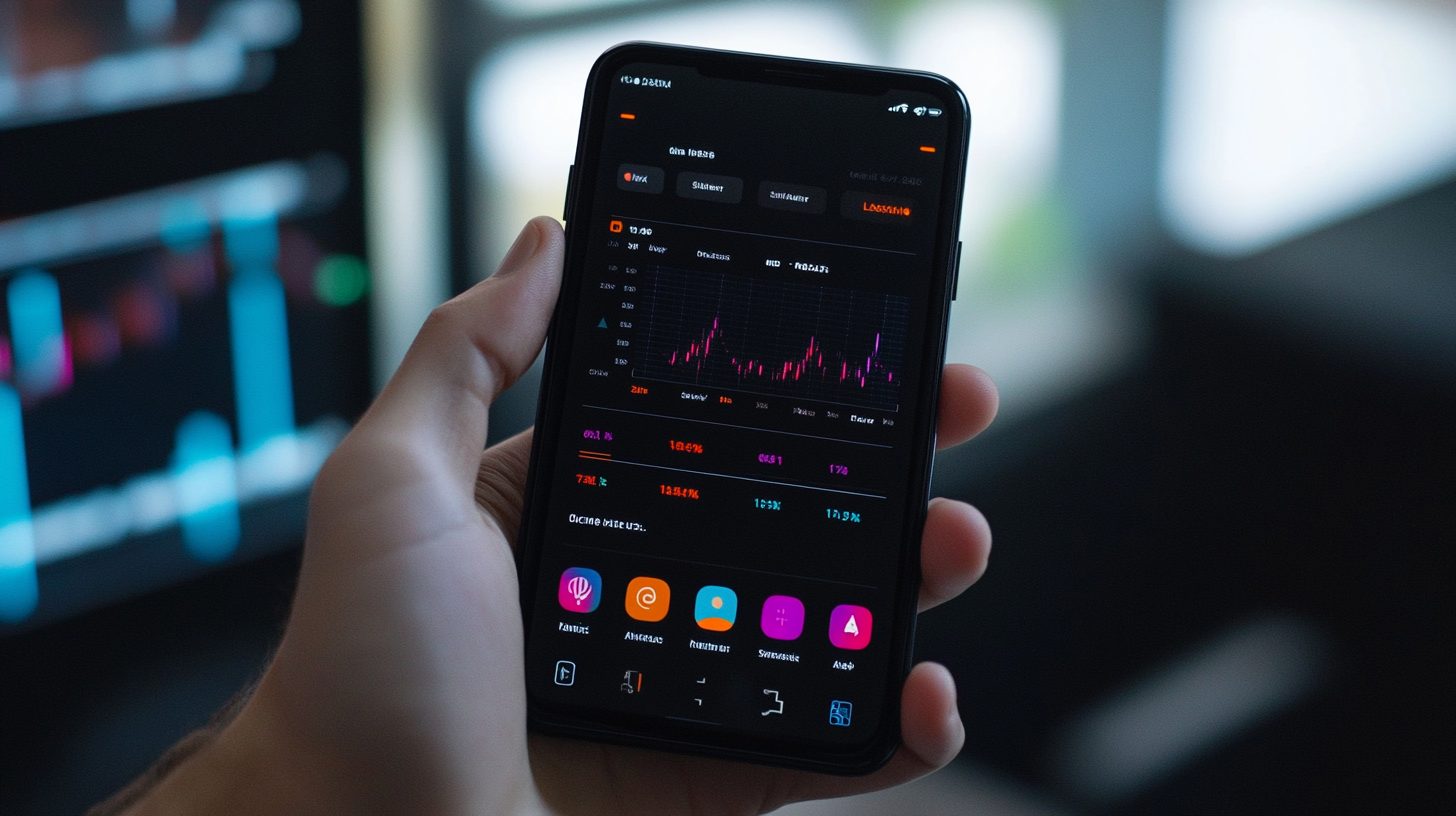
- Mobile and WebTrader layout is clean, with watchlists and one-tap position management
Cons
- Operates under an offshore registration model, so protections are thinner than top-tier jurisdictions
- No MT4/MT5 confirmation in my account area, which limits third-party tool compatibility
- Non-trading charges (swap/inactivity/currency conversion) can bite long-hold positions
Is Fortef Rendof Legit and Safe?
Fortef Rendof appears operational and tradeable rather than a pure “take-the-money-and-run” setup, but it sits in the offshore bucket—meaning fewer formal backstops if a dispute goes sideways. Calling it a “scam” didn’t fit what I saw in deposits, order execution, and withdrawals, yet the safety bar is simply not the same as FCA/ASIC-style regimes.
On the paperwork side, the provider presents itself as registered with the Seychelles FSA, which is common in the CFD world when a broker wants broader leverage and fewer regional caps. In practice, that offshore status can mean higher leverage access (and faster margin calls), lighter investor-compensation schemes, and a complaints process that’s tougher to escalate compared with a Tier‑1 ombudsman route. I scanned for the usual red flags—pushy “account manager” pressure, fake trophy badges, or withdrawals that mysteriously “fail”—and didn’t run into aggressive sales tactics during my short test window. KYC was enforced before I could pull money out, and the legal pages referenced segregated client funds language, though you’re still relying on the firm’s processes more than a strict regulator’s enforcement. CFDs are leveraged products and most retail accounts lose money; only risk capital belongs here.
Supported Countries & Restricted Regions
This broker generally accepts clients across parts of LATAM, MENA, Africa, and segments of Asia, with eligibility checked during signup and verification. The USA is off-limits, and sanctioned jurisdictions are blocked.
| Region | Status | Leverage Cap |
|---|---|---|
| Latin America (selected countries) | Accepted | Up to 1:500 |
| MENA (non-sanctioned) | Accepted | Up to 1:500 |
| Southeast Asia (selected countries) | Accepted | Up to 1:500 |
| Sub-Saharan Africa (selected countries) | Accepted | Up to 1:500 |
| USA | Restricted | Not offered |
| Sanctioned jurisdictions | Restricted | Not offered |
Access isn’t just a checkbox—IP location, document nationality, and proof-of-address all get weighed at KYC. Policies can shift, so confirm your eligibility before funding, especially if you travel or hold multiple residencies.
Tradable Assets and Markets
From a trader’s seat, the lineup reads “multi-asset CFD” with enough commodities to keep a metals-and-oil person interested, plus the usual FX and index staples for hedges and short-term setups.
- Commodities: Gold and silver CFDs sit alongside energy like WTI/Brent and natural gas, useful for both directional plays and risk offsets.
- Forex: Roughly 40+ pairs including majors and a handful of higher-volatility crosses where spreads can widen at illiquid hours.
- Indices: US500, NAS100, US30 plus European benchmarks like GER40 and UK100 for macro-driven trading.
- Share CFDs: A curated list of US/EU large caps—fine for tactical exposure, not built for deep single-stock specialists.
- Crypto CFDs: BTC and ETH plus a few large caps; pricing and weekend financing matter more here than “newsflow.”
Keep your head straight on the structure: these are CFDs, not spot assets. You don’t receive shareholder rights, you don’t take delivery of gold, and “crypto” exposure here isn’t on-chain custody—it’s a contract with the broker.
Fortef Rendof Trading Fees and Spreads
Costs at Fortef Rendof depend on account tier: the Standard account bakes fees into the spread, while the Raw/ECN-style option tightens the spread and adds a per-lot commission. On my pricing checks, the all-in cost landed broadly in line with offshore CFD peers—competitive on Raw, more middle-of-the-road on Standard.
| Asset | Spread/Fee | Market Average Comparison |
|---|---|---|
| EUR/USD (Standard) | From 1.6 pips | About average for offshore CFD brokers |
| EUR/USD (Raw/ECN) | From 0.2 pips + $7 round-turn/lot | Often cheaper for active traders than spread-only |
| Bitcoin (BTC/USD) | From $30 (variable) | Competitive when liquidity is strong; can widen on weekends |
| Gold (XAU/USD) | From $0.35 | In the usual range for CFD gold |
| US500 Index | From 0.8 points | Close to the pack for non-Tier-1 venues |
Non-spread costs that matter: Swap/overnight financing is the quiet leak for anyone holding positions past the close, and it showed up clearly when I carried a small XAU/USD position overnight. An inactivity fee of $10 per month kicked in after 90 days dormant in the terms I reviewed, which is the kind of nuisance charge you only notice when you step away. Also watch conversion costs if you deposit in a currency your account doesn’t run on, and expect weekend financing on crypto CFDs to be chunkier than weekday carry. If you want to compare today’s live quotes inside the platform, I’d do it directly on Fortef Rendof rather than relying on marketing spreads.
Fortef Rendof Trading Platforms and Tools
WebTrader is the main event here, and it felt steady during my sessions—no random logouts while I monitored crude around the US data drop. Order tickets offered market and pending orders with typical risk controls (stop-loss/take-profit), and execution quality was acceptable for retail CFD flow; I saw mild slippage when volatility jumped, but no constant “price changed” harassment. If you live inside the MT4/MT5 ecosystem for custom indicators and EAs, note that I did not see a confirmed MT4/MT5 download area in my portal, so assume you’re working within the broker’s own toolset.
Fortef Rendof App: Mobile Trading Experience
The Fortef Rendof app tracks the WebTrader layout closely, with real-time quotes, quick position edits, and clean watchlist handling. Fortef Rendof login on mobile supported biometric unlock on my device, which is a practical touch when you’re checking margin on the go. Deposits and withdrawals are reachable from the app, and push notifications for price alerts worked reliably; the one quirk I noticed was that deeper chart settings take an extra tap or two compared with desktop.
Charting, Tools & Research
Charting covers the basics: multiple timeframes, the common indicator shelf (MA, RSI, MACD, Bollinger), and enough drawing tools to mark levels without feeling boxed in. An economic calendar and an integrated news feed help you keep track of CPI/FOMC-type landmines. Still, this is not a research powerhouse—if you need advanced strategy testing or a huge add-on marketplace, MT5/cTrader-style ecosystems go further.
Fortef Rendof Account Opening & Minimum Deposit
After I entered email, phone, and a basic profile questionnaire, the portal pushed me toward verification before allowing higher withdrawals and certain funding rails. KYC required a government-issued photo ID plus proof of address dated within three months, which lines up with AML expectations in this space. My documents cleared the same business day, and the account area showed status changes in real time rather than leaving me guessing.
- Minimum Deposit: $200
- Funding Methods: Visa/Mastercard, bank wire, regional e-wallets, and crypto deposits (BTC, USDT)
- Demo Account: $10,000 virtual balance for testing spreads, margin behavior, and the order ticket
- Account Types: Standard (spread-only) and Raw/ECN-style (tighter spreads + commission)
For traders searching the Fortef Rendof minimum deposit, the $200 entry point is reasonable, but I’d still start with the demo until you understand how leverage magnifies both wins and mistakes. Account base currency choices looked straightforward, yet funding in a different currency can add conversion friction that doesn’t show up in headline spreads.
Fortef Rendof Customer Support Review
I tested live chat with a nuts-and-bolts question: where exactly swap rates are displayed for metals, since carry costs can make or break a longer gold position. A rep answered in about three minutes and pointed me to the instrument specs panel, then clarified that Wednesday triple-swap applies on many CFD symbols. I also sent an email asking about withdrawal rails after KYC; the ticket reply landed later the same day, a little under 10 hours, with a clear breakdown of processing versus bank transit time.
Support coverage ran on the usual 24/5 rhythm, which fits FX and index hours but leaves weekend gaps unless chat has limited staffing. Language help is workable in English, and phone support didn’t appear to be a primary channel in my region (more “email and chat first”). In this offshore segment, that’s normal—just don’t expect a dedicated account desk like you’d see at a top-tier regulated futures broker.
Ready to Explore Fortef Rendof?
If you’re considering this broker, open a demo first and watch how spreads behave around real market events, then confirm your country eligibility before you fund. Once you’re comfortable with the order ticket and margin rules, you can decide whether Standard or Raw pricing fits your style.
Fortef Rendof Review FAQ
Is Fortef Rendof good for beginners?
It can be, provided you use the demo and keep leverage low. The platform is not hard to navigate, but CFDs move fast and margin rules punish sloppy sizing. Beginners should treat the $200 minimum deposit as risk capital, not “tuition money” they need back next week.
Can I trade crypto on Fortef Rendof?
Yes, crypto is offered as CFDs on major coins like BTC and ETH. You’re trading price exposure rather than holding coins in a wallet, so there’s no on-chain transfer or custody. Pay attention to weekend spreads and financing because that’s where the real cost can hide.
Is Fortef Rendof a scam?
No, it didn’t behave like an outright scam in my functional tests—account verification, trading, and support all worked as expected. The bigger issue is that it’s offshore-registered (Seychelles FSA), so your dispute options and formal protections are more limited than with Tier‑1 regulators. That makes risk management and cautious funding even more important.
Is Fortef Rendof available in the USA?
No, Fortef Rendof is not available to US residents. The signup and KYC flow is designed to screen restricted jurisdictions. If you’re US-based, you’ll need a properly registered US broker for forex/CFDs or a regulated futures venue.
How long does a Fortef Rendof withdrawal take?
A Fortef Rendof withdrawal is typically processed internally within 24–48 hours after KYC is cleared. From there, delivery depends on the rail: cards usually take 2–5 business days, wires often run 3–7 business days, and crypto payouts can arrive the same day. Delays are most common when documents need re-checking or banks add compliance questions.
What is the Fortef Rendof minimum deposit?
The Fortef Rendof minimum deposit is $200. That’s enough to test sizing and margin behavior, but it doesn’t make 1:500 leverage “safe.” If you’re new, start smaller in position size, not bigger in leverage.
Does Fortef Rendof have a mobile app?
Yes, it offers iOS and Android apps alongside the WebTrader. The app supports charting, order placement, account management, and funding/withdrawal access. Mobile is convenient for monitoring positions, but I still prefer desktop for full chart work and multi-window analysis.
Final Verdict: Should You Use Fortef Rendof in 2026?
Overall Score: 4.0/5
For traders who want commodities and can live without the warm blanket of a Tier‑1 regulator, Fortef Rendof offers a functional CFD setup with fair Raw-style pricing and a platform that stays out of its own way. I liked the practical access to gold and oil, and the account tiers let you choose between simplicity and tighter spreads. The knock is the offshore framework and the usual long-run drags—swap, conversion, and inactivity fees—so keep funding conservative. If you do step in, treat leverage with respect; CFDs can liquidate you fast. You can check the current terms directly at Fortef Rendof.
Best for: active CFD traders focused on gold, oil, major FX, and index moves who can manage risk tightly. Avoid if: you need Tier‑1 regulatory protections, MT4/MT5 tooling, or you’re prone to overleveraging.