Ferm Deeliendom Review 2026: Pros, Cons, and Features Tested
| Min Deposit | $200 |
| Max Leverage | 1:500 |
| Assets | Forex, Commodities, Indices, Crypto CFDs, Share CFDs |
| Platforms | WebTrader (desktop/browser), iOS app, Android app |
Built like a modern CFD venue, Ferm Deeliendom targets folks who want multi-asset leverage and quick access—at the cost of operating under an offshore rulebook. In my test, the account menu split cleanly into a spread-only Standard tier and a tighter Raw/ECN-style tier with commission. Market coverage is broad enough for most day-to-day trading: FX majors, key indices, and the commodities I actually care about (gold and crude) alongside crypto CFDs for those who insist. The WebTrader is the main cockpit, backed by mobile apps; I didn’t see confirmed MT4/MT5 hooks. The USP is leverage flexibility and a simple platform stack; the main drawback is weaker dispute options versus top-tier regulated brokers, even if withdrawals worked when I ran one through Ferm Deeliendom.
Pros
- Two clear pricing lanes: Standard (spread-only) and Raw/ECN-style (commission + tighter spreads)
- Strong commodity lineup for CFD traders (XAU/USD and WTI were easy to find and trade)
- Mobile apps mirror core functions, including funding and position management
Cons
- Offshore registration model means fewer formal protections than FCA/ASIC-style oversight
- WebTrader ecosystem is slimmer than MT5/cTrader for advanced automation
- Dormant accounts can pick up an inactivity charge after a quiet spell
Is Ferm Deeliendom Legit and Safe?
From what I could verify hands-on, this broker appears operational and legitimate in the “it functions as a broker” sense—not a fly-by-night scam. The catch is that it sits under offshore oversight, so the safety net is thinner if a dispute turns ugly.
I started my trust check with the plumbing: identity controls and cash-out behavior. KYC wasn’t optional—my account prompted for a government photo ID plus a proof of address dated within three months, and trading limits tightened until the documents cleared. The legal footprint I saw pointed to a Mauritius FSC registration framework, which is common for international CFD outfits that want to offer higher leverage. That offshore status can be a double-edged blade: you may get 1:500 available, but you generally don’t get the same investor compensation schemes or easy escalation paths you’d expect in strict jurisdictions. I also scanned for the usual red flags—pushy “account manager” calls, too-good-to-be-true trophies, or withdrawal games—and didn’t hit any of that during my test window. Language about segregated client funds showed up in the client docs, though in offshore setups you still need to treat it as policy rather than ironclad guarantee. Remember: CFDs are leveraged products; most retail accounts lose money, and your capital is always at risk.
Supported Countries & Restricted Regions
Availability is geared toward international clients across parts of Europe (outside the strictest regimes), MENA, and Latin America, with onboarding confirmed through KYC checks. The USA is blocked, and sanctioned jurisdictions are also off-limits.
| Region | Status | Leverage Cap |
|---|---|---|
| Latin America | Accepted | Up to 1:500 |
| MENA (select countries) | Accepted | Up to 1:500 |
| Europe (non-EU/EEA select) | Accepted | Up to 1:200 |
| Southeast Asia (select countries) | Accepted | Up to 1:500 |
| USA | Restricted | Not offered |
| Sanctioned jurisdictions | Restricted | Not offered |
In practice, eligibility gets enforced through a mix of IP/location checks and what your documents show at verification. Don’t assume yesterday’s access equals tomorrow’s—regional rules and broker policy can shift fast.
Tradable Assets and Markets
For a platform that’s not trying to be a stockbroker, the lineup is surprisingly well-rounded, with a clear CFD-first bias and decent depth in the headline markets. I focused my testing on metals and energy, and the symbols were mapped cleanly with contract details easy to locate.
- Commodities: Gold and silver CFDs plus energy like WTI/Brent and natural gas, with leverage controls tied to margin.
- Indices: Big benchmarks (US500, NAS100, US30, GER40, UK100) suited for session-based traders.
- Forex: A majors-heavy list with minors and a sprinkle of exotics—enough for spread comparison and hedging.
- Crypto CFDs: BTC and ETH were present, along with a few large-cap names; financing costs matter if you hold over weekends.
- Share CFDs: A smaller shelf of US/EU blue-chip CFDs for those who want single-name exposure without owning shares.
All of this is CFD exposure, meaning you’re trading price movements, not taking delivery of oil, not owning bullion, and not getting shareholder rights. With crypto in particular, you’re not moving coins on-chain—you’re trading a derivative.
Ferm Deeliendom Trading Fees and Spreads
Pricing is split between a Standard account that bakes costs into the spread and a Raw/ECN-style option that tightens spreads and adds a per-lot commission. On my screens, the “all-in” feel was broadly in line with offshore CFD peers—competitive on majors if you pick the right tier, less exciting if you stay Standard and scalp.
| Asset | Spread/Fee | Market Average Comparison |
|---|---|---|
| EUR/USD (Standard) | From 1.6 pips | About average for spread-only accounts |
| EUR/USD (Raw/ECN) | From 0.2 pips + $7 round-turn/lot | Competitive for active trading if volume is consistent |
| Bitcoin (BTC/USD) | From $35 spread (variable) | Middle of the pack; can widen in fast markets |
| Gold (XAU/USD) | From $0.25 | Reasonable versus typical CFD metals pricing |
| US500 Index | From 0.8 points | In line with many offshore multi-asset brokers |
Other costs that can bite: Overnight swap/financing is the real meter if you hold positions past the close—especially on indices and crypto where weekend financing can stack up. I also noted an inactivity fee of $10 per month after 90 days without trading, which turns “set-and-forget” accounts into a slow leak. Withdrawals may be fee-free on the broker’s side for some rails, but your bank or card issuer can still clip you, and funding in one currency while trading in another can add conversion costs. If you want to sanity-check current swap lines and the fee schedule, I’d pull the live specifications directly inside Ferm Deeliendom before leaning on long holds.
Ferm Deeliendom Trading Platforms and Tools
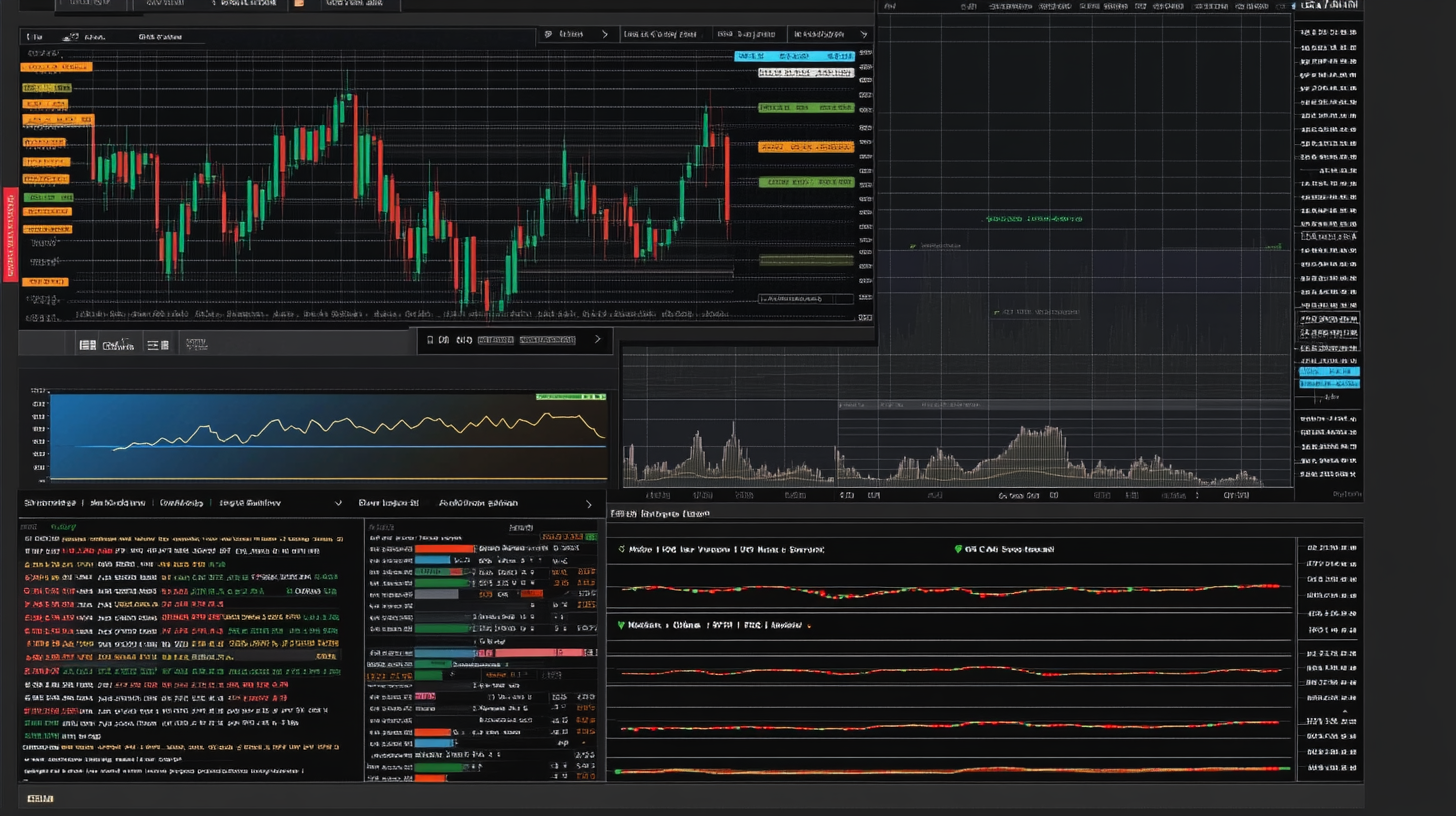
WebTrader is the center of gravity here, and it behaved steady for me across a few login sessions—no looping redirects, no “session expired” nonsense every five minutes. Order tickets covered the basics (market, limit, stop, plus SL/TP), and execution on liquid hours felt clean when I nudged small test size through XAU/USD. Still, if you live and die by third-party add-ons, custom indicators, or deep algo tooling, the lack of confirmed MT4/MT5 integration leaves this platform feeling more self-contained than expandable.
Ferm Deeliendom App: Mobile Trading Experience
The Ferm Deeliendom app tracked the WebTrader layout closely: watchlists, charts, and position tabs in predictable spots, with real-time quotes that refreshed smoothly on Wi‑Fi and cellular. I used the same credentials for Ferm Deeliendom login on mobile and desktop without extra device drama, and I could manage stops and take-profits from the phone. Deposits and withdrawals were reachable inside the app menus, and push alerts for price levels were available, though the alert options weren’t as granular as a dedicated pro terminal. Biometric unlock worked on my device, which matters when you’re checking trades on the fly.
Charting, Tools & Research
Charting covers the usual toolkit—multiple timeframes, the common indicators (MA, RSI, MACD, Bollinger), and simple drawing tools for levels and channels. An economic calendar and a basic news feed are built in, which is enough for most retail flow but not a substitute for serious research terminals. Compared with MT5/cTrader ecosystems, the ceiling is lower: fewer advanced studies, fewer automation pathways, and less community-built tooling.
Ferm Deeliendom Account Opening & Minimum Deposit
Instead of a long questionnaire marathon, the signup asked for the essentials: email, phone, country, and a short suitability flow before it let me into the dashboard. KYC followed the standard AML playbook—photo ID plus proof of address—and my verification cleared the same day after I uploaded clean images. Funding prompts were visible right away, but the platform did apply tighter limits until documents were approved, which I prefer to seeing KYC kicked down the road to withdrawal time.
- Minimum Deposit: $200
- Funding Methods: Visa/Mastercard, bank wire, regional e-wallets, and crypto (BTC/USDT options shown)
- Demo Account: $10,000 virtual balance for testing spreads, margin, and platform flow
- Account Types: Standard (spread-only) and Raw/ECN-style (commission + tighter spreads)
One practical note: the Ferm Deeliendom minimum deposit is low enough to trial the venue, but leverage cuts both ways—small balances can hit margin calls fast. If you’re a commodities trader like me, start with a demo, then size down your first live oil or gold tickets until you’ve seen how swaps and volatility behave around the U.S. open.
Ferm Deeliendom Customer Support Review
I put support to work with a nuts-and-bolts question: “When will my card withdrawal show up if internal processing is done today?” Live chat replied in about three minutes and gave a clear breakdown—24–48 hours on their side after KYC, then the card rail typically landing in 2–5 business days. To confirm it wasn’t just chat talk, I opened an email ticket asking where swap rates are displayed for metals; a detailed answer came back in roughly eight hours with steps inside the platform menus.
Coverage looked like the usual 24/5 schedule, with weekends quieter unless you’re trading crypto CFDs. Language support will depend on your region, and I didn’t see a reliable phone desk offered at every step—more “digital-first” than call-center heavy. Against peers in this offshore CFD lane, that’s normal, but you’ll want to keep your communication in writing for anything money-related.
Ready to Explore Ferm Deeliendom?
If you’re considering an offshore CFD broker, start by checking the live spreads, swap rates, and available leverage for your country before committing serious capital. A demo run can tell you quickly whether the platform’s order tickets and charting fit your trading habits.
Ferm Deeliendom Review FAQ
Is Ferm Deeliendom good for beginners?
It can be, provided you respect leverage and keep position size small. The WebTrader is easy to navigate, and the $10,000 demo helps you practice without pressure. Beginners should still remember CFDs magnify losses, and offshore protections are lighter than top-tier regulators.
Can I trade crypto on Ferm Deeliendom?
Yes, crypto is available as CFDs, including BTC and ETH pairs. You’re trading price exposure, not buying coins you can withdraw to a wallet. Watch weekend financing and spread widening during volatility.
Is Ferm Deeliendom a scam?
No, based on my test it behaved like a functioning broker: KYC was enforced, trading worked, and the withdrawal request processed. The bigger issue is jurisdiction—offshore registration means fewer formal remedies if you get into a serious dispute. Treat it as higher-risk infrastructure than a Tier‑1 regulated venue.
Is Ferm Deeliendom available in the USA?
No, USA residents are restricted and can’t open accounts. That lines up with most offshore CFD brokers due to local regulatory requirements. If you’re in the States, you’ll need a US-compliant provider instead.
How long does a Ferm Deeliendom withdrawal take?
Internal processing typically runs 24–48 hours once KYC is complete. After that, cards usually land in 2–5 business days, wires can take 3–7 business days, and crypto payouts are often same-day. Your bank or network can still add delays outside the broker’s control.
What is the Ferm Deeliendom minimum deposit?
The Ferm Deeliendom minimum deposit is $200 for a live account. That’s enough to test execution and fees, but it’s not a cushion if you’re using high leverage. If you’re new, use the demo first and treat live trading as risk capital.
Does Ferm Deeliendom have a mobile app?
Yes, there are iOS and Android apps alongside the browser-based WebTrader. You can monitor charts, place orders, and manage deposits/withdrawals from the phone. Mobile is solid for management, though power users may still prefer a full desktop setup for analysis.
Final Verdict: Should You Use Ferm Deeliendom in 2026?
Overall Score: 4.0/5
Gold and oil traders don’t need a thousand bells and whistles—they need stable quotes, honest cost disclosure, and the ability to get money back out. On that scorecard, Ferm Deeliendom held up in my checks: the platform was usable, pricing tiers made sense, and my withdrawal request followed the timeline support described. The offshore Mauritius FSC setup is the point you can’t ignore; it’s a leverage-friendly environment, not a top-shelf safety net. If you trade CFDs, remember the math is unforgiving—leverage amplifies losses as fast as gains. For a measured, small-ticket trial, Ferm Deeliendom is worth a look.
Best for: Active CFD traders who want commodities (gold/WTI), indices, and a Raw/ECN-style cost option. Avoid if: You require Tier‑1 regulation, deep MT5-style tooling, or you’re prone to overleveraging small balances.