Coniazzura Review 2026: Pros, Cons, and Features Tested
| Min Deposit | $200 |
| Max Leverage | 1:500 |
| Assets | Forex, Commodities, Indices, Share CFDs, Crypto CFDs |
| Platforms | Proprietary WebTrader, iOS app, Android app |
Built as a multi-asset CFD venue, Coniazzura fits traders who want one screen for FX, metals, and index risk—with the headline trade-off being an offshore setup and the extra responsibility that comes with it. I ran a Standard and a Raw-style profile side by side to gauge real spread behavior and how the platform treats size as margin tightens. Commodity coverage is the part that caught my eye (gold and crude were easy to find, well-labeled, and liquid during the NY overlap). The stack is a proprietary WebTrader plus mobile apps, which keeps it simple but doesn’t bring the deep plug-in ecosystem you get with MT4/MT5. For a quick look at account tiers and instruments, start at Coniazzura.
Pros
- Two pricing tracks (spread-only vs. tight spread + commission) that suit different trading tempos
- Strong CFD lineup for metals and energy alongside the usual FX and indices
- Clean WebTrader layout with mobile access for managing margin on the move
Cons
- Offshore registration means fewer formal dispute paths than top-tier regulators
- Education and research are serviceable, not a full-blown trading academy
- An inactivity charge can bite if you park the account and forget it
Is Coniazzura Legit and Safe?
Coniazzura looked operational and tradeable in my checks, not a “vanish-with-your-money” outfit. That said, it runs under an offshore registration model (Seychelles FSA), so the safety net isn’t the same as a strict Tier-1 rulebook.
What tipped it toward “legit” for me was process, not marketing: the broker enforced KYC before I could push a withdrawal request through, and the client-area wording repeatedly referenced segregated client funds and AML controls. Seychelles FSA registration typically allows higher leverage and broader product menus, but it also means weaker investor-compensation frameworks and fewer escalation avenues if a dispute turns ugly. I also scanned for the usual red flags—hard-sell phone pressure, flashy “award” badges with no source, or unexplained bonus strings—and didn’t run into aggressive sales tactics during my short test window. Still, remember what you’re trading here: CFDs with leverage. A bad week plus high gearing can trigger margin calls fast, and most retail accounts lose money trading CFDs.
Supported Countries & Restricted Regions
The platform generally accepts clients across parts of LATAM, Africa, and segments of Asia, while the USA and sanctioned jurisdictions are blocked outright.
| Region | Status | Leverage Cap |
|---|---|---|
| Latin America (selected countries) | Accepted | Up to 1:500 |
| Middle East & North Africa (where permitted) | Accepted | Up to 1:500 |
| Sub-Saharan Africa (selected markets) | Accepted | Up to 1:500 |
| Southeast Asia (selected countries) | Accepted | Up to 1:500 |
| USA | Restricted | Not offered |
| Sanctioned jurisdictions | Restricted | Not offered |
Eligibility is enforced through a mix of IP/location checks and what you submit at onboarding (address + ID). Policies can shift with compliance updates, so I’d confirm acceptance inside the client portal before wiring funds.
Tradable Assets and Markets
From a trader’s standpoint, this is a multi-asset CFD shelf with enough depth for active rotation—especially if you bounce between metals, oil, and macro indices when volatility picks up.
- Commodities: Gold and silver sit alongside WTI/Brent crude and natural gas, giving you the classic inflation-and-growth toolset.
- Forex: A solid mix of majors and minors plus a few higher-volatility crosses, quoted in pips with variable spreads.
- Indices: US500, NAS100, and other benchmarks are available for broad risk-on/risk-off positioning.
- Share CFDs: A curated list of US/EU large caps for tactical moves without buying the underlying stock.
- Crypto CFDs: BTC and ETH are present for those who want price exposure, even if I personally prefer hard assets.
Everything here is CFD exposure, not ownership: no shareholder votes, no direct custody, and crypto trading is price-tracking only (not on-chain transfers). Treat it as a trading instrument, not a savings vehicle.
Coniazzura Trading Fees and Spreads
Pricing is split into a spread-only Standard account and a Raw/ECN-style option where the spread tightens and commission carries more of the bill. On my screen, the key question wasn’t “cheap or not,” it was whether total cost stayed stable when markets moved—and it was broadly in line with what you see from offshore CFD brokers.
| Asset | Spread/Fee | Market Average Comparison |
|---|---|---|
| EUR/USD (Standard) | From 1.6 pips | Near typical for offshore CFD accounts |
| EUR/USD (Raw/ECN) | From 0.2 pips + $7 round-turn/lot | Competitive if you trade size frequently |
| Bitcoin (BTC/USD) | From $28 | About average; widens on weekends |
| Gold (XAU/USD) | From $0.25 | Reasonable for liquid hours |
| US500 Index | From 0.8 points | In the middle of the pack |
Non-spread costs to watch: overnight swap/financing can matter more than entry spread if you hold metals or indices for days, and weekend financing can be noticeable on crypto CFDs. The account also carried a $10/month inactivity fee after 90 days with no trading, which turns “set-and-forget” into an expensive habit. Withdrawals themselves may be fee-free on the broker’s side, but card processors, banks, and FX conversion can still take a bite if your deposit currency doesn’t match your base account.
Coniazzura Trading Platforms and Tools
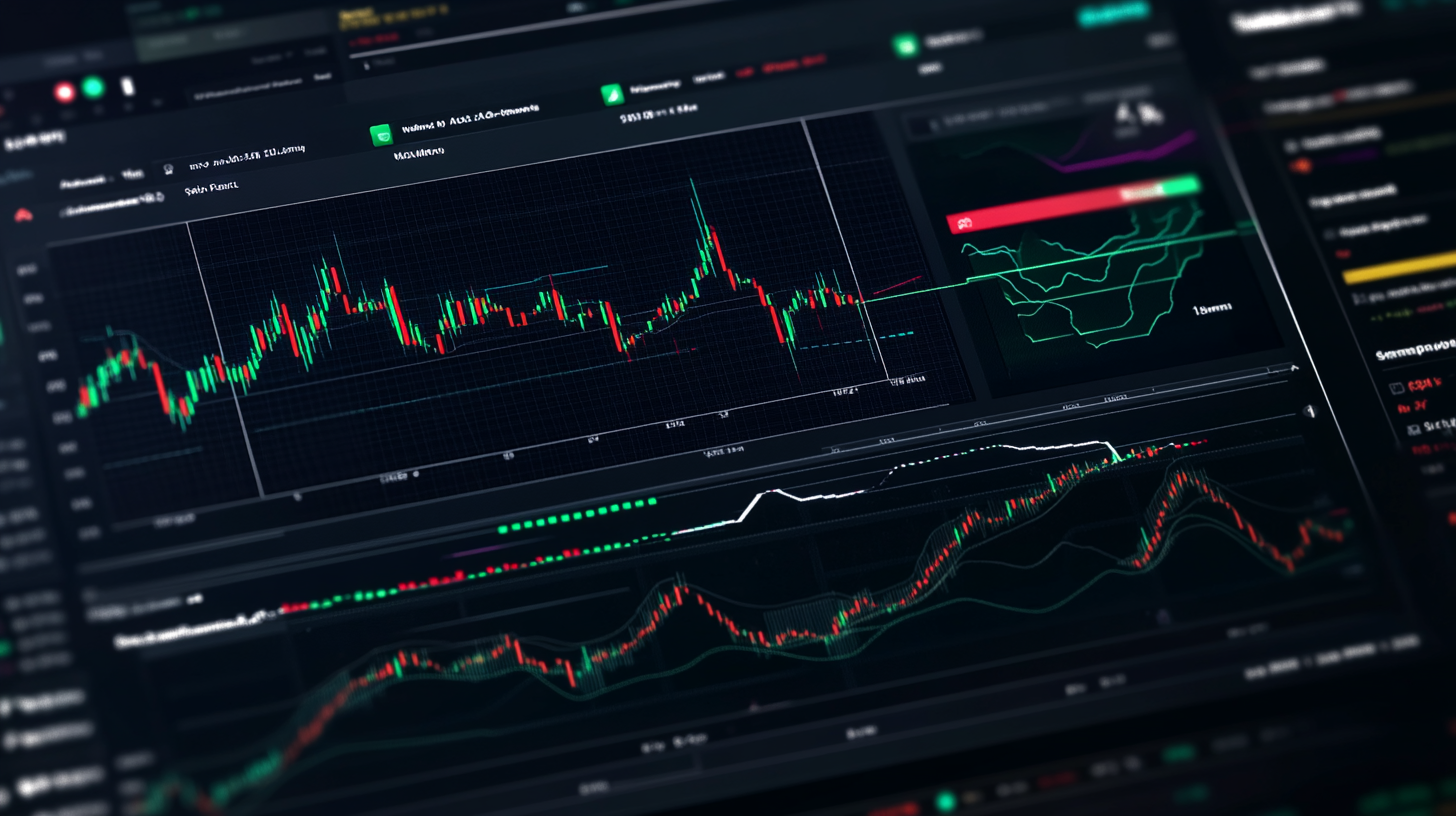
WebTrader is the main workhorse, and it behaved like a modern browser platform should: stable session handling, quick symbol search, and enough order controls to manage risk. I ran a small test in XAU/USD during the London-to-NY handoff and saw market and limit orders go through cleanly, with no odd “price changed” loops; slippage showed up when liquidity thinned, which is normal. If you’re married to MT4/MT5 scripts and third-party trade copiers, you’ll feel that missing ecosystem here—this is a more self-contained environment.
Coniazzura App: Mobile Trading Experience
The Coniazzura app is geared for monitoring and execution rather than deep analysis, and the Coniazzura login held steady with biometric unlock on my phone. Quotes updated fast, one-tap close worked as advertised, and I could deposit or request a withdrawal from the same menu without hunting. Push notifications for fills and margin levels were useful; the only quirk I noticed was that chart drawing tools felt cramped in landscape mode.
Charting, Tools & Research
Tooling covers the basics: multi-timeframe charts, common indicators (RSI, MACD, moving averages, Bollinger Bands), watchlists, and price alerts. An economic calendar and embedded news feed are included, though it’s not the kind of deep research desk you’d get at a top-tier shop. For many traders that’s fine—just don’t confuse “has news” with “has an edge.”
Coniazzura Account Opening & Minimum Deposit
After creating credentials and choosing an account currency, the portal pushed me straight into identity checks—no way around it if you want smooth withdrawals later. For KYC, I uploaded a government-issued photo ID and a utility bill dated within three months; verification cleared the same day in my case. The signup form asked for the usual AML basics (name, address, date of birth), plus a short trading-experience questionnaire.
- Minimum Deposit: $200 (this matches what I saw in the funding screen and aligns with the Coniazzura minimum deposit prompt inside the cashier).
- Funding Methods: Visa/Mastercard, bank wire, regional e-wallets, and crypto rails like BTC and USDT.
- Demo Account: $10,000 in virtual funds, useful for testing spreads and margin behavior before risking cash.
- Account Types: Standard (spread-only) and Raw/ECN-style (tighter spread + commission) for more active traders.
One practical note: base-currency choices help reduce conversion costs, so pick thoughtfully if you’re funding in USD versus EUR. I also like that the platform nudged risk disclosures early—CFDs plus 1:500 leverage can turn a small mistake into a big loss in a hurry.
Coniazzura Customer Support Review
Support was tested with two real questions: first on live chat about swap rates on gold and how they’re displayed, and then via email asking what “internal processing” means for withdrawals. Chat came back in about three minutes with a clear path (instrument specs → swap values by direction), and the email reply landed roughly eight hours later with a timeline that matched the portal’s withdrawal page. Nothing felt scripted to the point of uselessness, which I’ll take.
Coverage looks like the usual 24/5 rhythm, with the most consistent responses during market hours and lighter staffing into the weekend. Language options depend on region; English was fine in my run. Phone support wasn’t front-and-center, so if you require a direct line for every issue, that’s worth weighing.
Ready to Explore Coniazzura?
If you’re considering this broker, start by checking the instrument list and current spreads in the demo, then confirm your region is accepted before you fund. Keep leverage modest until you’ve seen how the platform behaves during fast markets.
Coniazzura Review FAQ
Is Coniazzura good for beginners?
It can be, as long as you treat it like a risk tool and not a game. The interface is clean and the demo helps, but offshore leverage up to 1:500 can punish beginners who oversize positions. New traders should start small, use stops, and learn how margin calls work.
Can I trade crypto on Coniazzura?
Yes, crypto CFDs are available, including BTC/USD and ETH. You’re trading price movement via CFDs rather than owning coins on-chain, so there’s no wallet withdrawal of the underlying asset. Weekend financing and wider spreads can show up when liquidity thins.
Is Coniazzura a scam?
No, based on my account checks it functioned like a real broker—KYC was enforced and the platform processed a test withdrawal request flow normally. The bigger nuance is jurisdiction: it’s offshore (Seychelles FSA), which usually means fewer investor protections than Tier-1 regulators. Always size trades responsibly and don’t deposit money you can’t afford to lose.
Is Coniazzura available in the USA?
No, the USA is restricted. If you try to register from the States, you’ll typically be blocked through location checks and compliance screening. US residents should look for CFTC/NFA-regulated alternatives instead.
How long does a Coniazzura withdrawal take?
Most withdrawals are processed internally within 24–48 hours after KYC is in order. After that, delivery depends on the rail: cards often take 2–5 business days, bank wires 3–7, and crypto can arrive the same day. Timing can stretch around holidays or extra compliance checks.
What is the Coniazzura minimum deposit?
The minimum deposit is $200. That amount is enough to open and test a small position, but it’s not a license to use maximum leverage. If you plan to trade commodities like gold or oil CFDs, keep extra buffer for volatility.
Does Coniazzura have a mobile app?
Yes, it offers iOS and Android apps. You can manage orders, monitor margin, and handle deposits/withdrawals from mobile, which is handy during fast sessions. Charting is decent for quick decisions, though heavy technical work still feels easier on desktop.
Final Verdict: Should You Use Coniazzura in 2026?
Overall Score: 4.0/5
For traders who want a no-fuss CFD lineup with solid access to gold, crude, and the big indices, Coniazzura gets a lot of the basics right—pricing tiers, workable execution, and a platform that doesn’t fight you. The catch is the same one you see across offshore brokers: fewer formal protections and more on you to manage risk, verify fees, and keep leverage in check. I’d use Coniazzura for tactical trades, not as a long-term “set it and forget it” home. CFDs are leveraged products, and losses can exceed expectations if you oversize positions.
Best for: active CFD traders focused on metals, energy, and macro indices who can police their own risk. Avoid if: you need Tier-1 regulation, MT4/MT5 plug-ins, or you’re prone to cranking leverage when markets get loud.