Cautelanza Review 2026: Pros, Cons, and Features Tested
| Min Deposit | $200 |
| Max Leverage | 1:500 |
| Assets | Commodities, Forex, Indices, Share CFDs, Crypto CFDs |
| Platforms | WebTrader (browser) + iOS/Android apps |
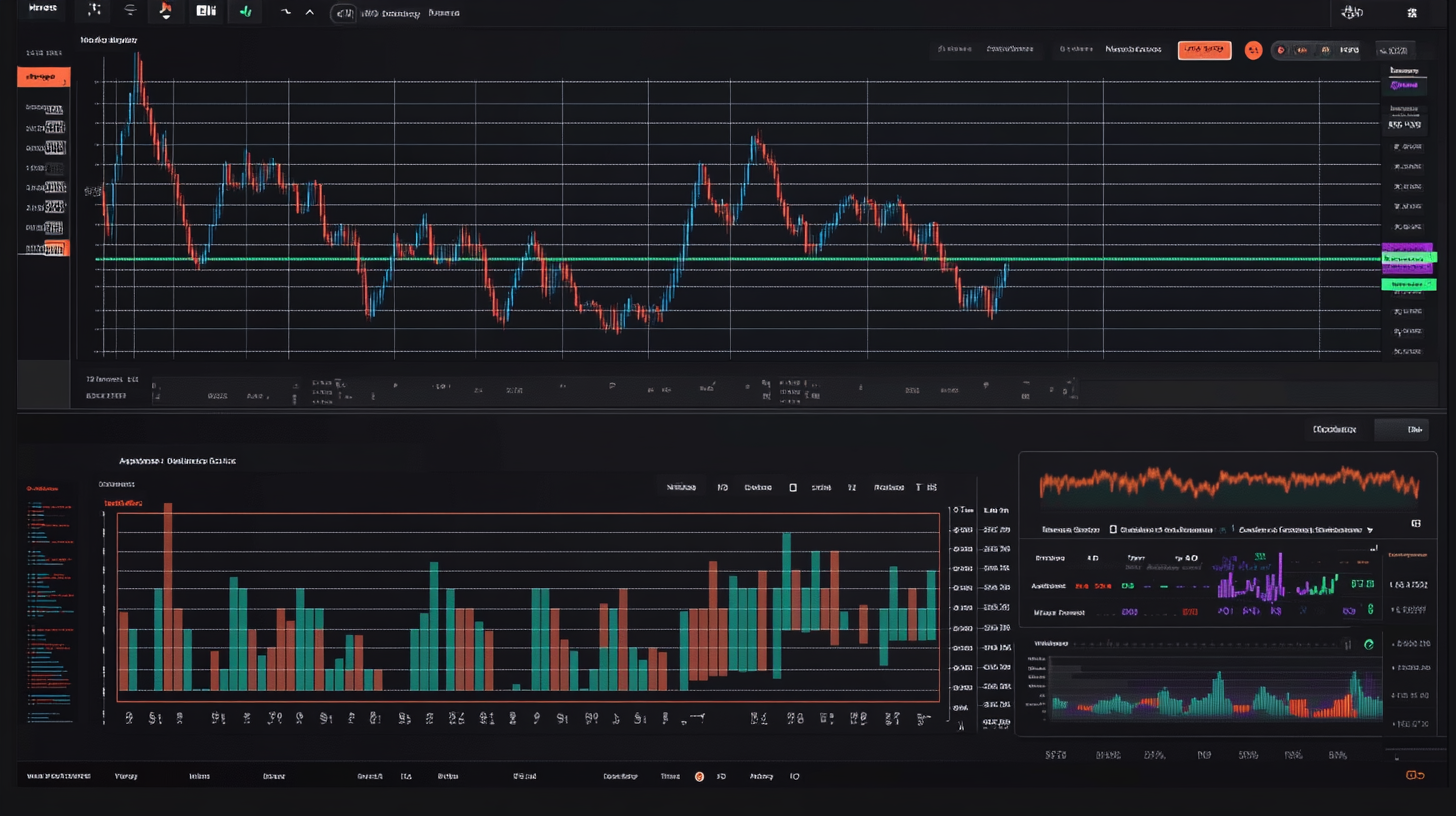
Built for traders who want a multi-asset CFD screen with higher leverage, Cautelanza suits short-term speculators, but the headline trade-off is an offshore setup with lighter investor backstops than top-tier jurisdictions. In my test account, I saw two main tiers—Standard (spread-only) and a tighter Raw/ECN-style option with commission—so pricing depends on how often you pull the trigger. Metals and energy were easy to find (gold and WTI sat right up front), while crypto CFDs were present for folks who insist on dabbling. The platform stack is the broker’s own WebTrader plus mobile, and the biggest friction point is that MT4/MT5 isn’t something I could confirm inside the client area. For the official site path, start at Cautelanza.
Pros
- Two pricing styles (spread-only vs. commission) that fit both casual and active trading
- Strong commodities lineup for gold/oil-focused CFD traders
- Mobile app mirrors most key functions, including funding and position management
Cons
- Operates under an offshore registration model, so dispute escalation is more limited
- Higher leverage raises margin-call risk fast if you’re under-capitalized
- Education and research are serviceable, not deep like institutional-grade suites
Is Cautelanza Legit and Safe?
Cautelanza looked operational and tradable in my checks, not like a “vanish-after-deposit” setup, but it does sit in the offshore bucket where protections are thinner. I wouldn’t label it a scam based on what I could verify, yet “legit” here means functioning brokerage services—not the same safety net you’d expect from FCA/NFA-grade oversight.
The first trust lever I look for is friction: this broker didn’t let me skate around KYC. Before I could move money out, it asked for a government photo ID and a proof-of-address document dated within three months, which is consistent with AML controls. The entity presented itself under Seychelles FSA-style offshore registration, and that matters in practice—higher leverage (up to 1:500) is part of the bargain, while compensation schemes and formal complaint pathways are typically weaker than in strict jurisdictions. I also scanned for the usual red flags: aggressive “account manager” pressure, fake trophies, or nonsense badges. I didn’t run into hard-sell calls during the test window, and the withdrawal screen showed clear statuses instead of mysterious loops. The site language referenced segregated client funds, though with offshore firms you’re still relying heavily on internal governance. Remember: CFDs are leveraged products; most retail accounts lose money, and you can get clipped fast on a sharp move.
Supported Countries & Restricted Regions
This broker generally accepts clients across parts of Europe (outside the strictest regimes), LATAM, MENA, and segments of Asia, while blocking the USA and sanctioned locations. Availability is enforced at signup and again at verification.
| Region | Status | Leverage Cap |
|---|---|---|
| Latin America (selected countries) | Accepted | Up to 1:500 |
| MENA (non-sanctioned) | Accepted | Up to 1:500 |
| Southeast Asia (selected) | Accepted | Up to 1:500 |
| Europe (non-EU/EEA residents) | Accepted | Up to 1:500 |
| USA | Restricted | Not offered |
| Sanctioned jurisdictions | Restricted | Not offered |
Expect IP checks and document review to do the heavy lifting; if your paperwork doesn’t match your stated residence, the account can be paused. Rules shift with compliance policy, so eligibility is something you re-confirm at the KYC stage, not just at the first click.
Tradable Assets and Markets
From a commodities trader’s chair, the menu reads like a CFD supermarket: plenty to trade, but it’s still speculation, not ownership. The platform leans multi-asset, with metals and energy sitting alongside forex and indices.
- Commodities: Gold and silver CFDs are front-and-center, with WTI/Brent crude and natural gas available for directional and hedge-style setups.
- Forex: Around 40+ pairs including majors and a sprinkling of minors; exotics show up, but the cost can widen when liquidity thins.
- Indices: US500, NAS100, US30, plus a couple of European benchmarks for session-to-session momentum trades.
- Share CFDs: A smaller list of recognizable US/EU names—fine for tactical exposure, not for long-term investing.
- Crypto CFDs: BTC and ETH contracts are there for volatility hunters, with spreads that can breathe wider on weekend conditions.
All of this is CFD exposure: you’re trading price movement with leverage, not taking delivery of barrels, not holding bullion, and not getting shareholder voting rights. Even “crypto” here is off-chain—no wallet transfers, just contract pricing.
Cautelanza Trading Fees and Spreads
Cautelanza fees follow the familiar two-lane road: Standard accounts bake costs into the spread, while a Raw/ECN-style option pares the spread down and adds a per-lot commission. On my screen, the all-in cost was competitive for active traders when using Raw/ECN, while Standard pricing sat closer to the middle of the pack for offshore CFD brokers.
| Asset | Spread/Fee | Market Average Comparison |
|---|---|---|
| EUR/USD (Standard) | From 1.6 pips | In line with many offshore CFD brokers |
| EUR/USD (Raw/ECN) | From 0.2 pips + $7 round-turn/lot | Competitive for frequent trading |
| Bitcoin (BTC/USD) | From $35 spread (typical conditions) | Often slightly better than wide-spread CFD apps |
| Gold (XAU/USD) | From $0.25 | Generally competitive versus the segment |
| US500 Index | From 0.8 points | Roughly market-average |
Non-spread costs that matter: Overnight swap/financing is where longer holds pay the toll, and I confirmed swap figures inside the instrument details before I left positions open past rollover. Dormant accounts also aren’t free forever—an inactivity fee of $10 per month kicked in after 90 days with no trading activity. Withdrawals can be method-dependent, and currency conversion costs show up if you fund in one currency and settle in another, so it’s worth matching your base currency to your deposit rail. If you want to cross-check the current schedule inside the portal, the pricing pages on Cautelanza are where I’d start.
Cautelanza Trading Platforms and Tools
On desktop, the WebTrader ran clean for me with stable sessions—no random logouts while charts were open—and it handled the basics I need: market/limit/stop orders, position modification, and a clear margin readout. Execution felt consistent on liquid products (I test-clicked XAU/USD during the New York/London overlap), and slippage showed up only when I intentionally hit faster markets. What you don’t get, at least from what I could confirm, is the plug-and-play MT4/MT5 ecosystem of third-party indicators and EAs; this platform keeps you in its own walled garden.
Cautelanza App: Mobile Trading Experience
The Cautelanza app tracked the web layout closely, with live quotes, one-tap position close, and deposit/withdrawal access tucked into the account tab. Cautelanza login supported biometric unlock on my phone, which is what I want when I’m checking exposure away from the desk. Push notifications for price alerts worked, but I did notice charts can feel cramped when you stack indicators; rotating to landscape helped. Order entry on mobile stayed functional for simple brackets, though I still prefer desktop for multi-leg planning.
Charting, Tools & Research
Charting covers the bread-and-butter indicators—MA, RSI, MACD, Bollinger—and enough drawing tools to mark levels and trendlines without fuss. There’s an integrated economic calendar and a light news feed, useful for knowing when CPI/FOMC is about to spike spreads. That said, heavy quant traders will feel the ceiling versus MT5/cTrader environments with deeper strategy testing and a larger indicator marketplace.
Cautelanza Account Opening & Minimum Deposit
Instead of a long interrogation, the signup asked for the usual core details (email, phone, residency) and then pushed me toward verification once I tried to unlock full account functions. For KYC, I uploaded a driver’s license plus a recent utility statement; approval landed the same business day, and the client portal showed a clear “verified” status rather than leaving me guessing. Funding came after that, and the flow displayed an on-screen confirmation along with an email receipt.
- Minimum Deposit: $200 (Cautelanza minimum deposit for the Standard tier in my test)
- Funding Methods: Visa/Mastercard, bank wire, regional e-wallets, and cryptocurrency rails such as BTC/USDT
- Demo Account: $10,000 in virtual funds for testing spreads, order types, and platform layout
- Account Types: Standard (spread-only) and Raw/ECN-style (tighter spread + $7 round-turn/lot)
One practical note: your deposit currency choice can affect conversion charges later, especially if you withdraw to a different rail than you funded with. I also recommend completing KYC early—this broker ties withdrawals to verification, which is a sensible compliance gate even if it adds a step.
Cautelanza Customer Support Review
I poked support with a nuts-and-bolts question: “What’s the internal processing window on a card payout, and do you require the same card for withdrawal?” Live chat answered in about three minutes, and the agent pointed me to the withdrawal screen statuses and reminded me that cards typically settle back in 2–5 business days after approval. I also sent an email asking where to find swap rates per instrument; that reply showed up in roughly eight hours with a short walkthrough of the contract-spec panel.
Coverage is broadly 24/5, which matches the CFD week, and language options depend on who’s on shift. Phone support wasn’t promoted as the primary channel in my region, so I treated chat and email as the real workhorses. Over weekends, don’t expect the same turnaround—crypto may trade, but staffing tends to thin out.
Ready to Explore Cautelanza?
If you’re curious, start by checking the demo and watching how spreads behave around active sessions, then confirm your country eligibility before sending real money. I’d also compare Standard versus Raw/ECN pricing using the same instrument so you’re judging true all-in cost.
Cautelanza Review FAQ
Is Cautelanza good for beginners?
It can be, as long as a beginner respects leverage and starts small. The WebTrader layout is simple enough to learn, and the $10,000 demo helps you practice without real risk. The offshore leverage ceiling (up to 1:500) is not beginner-friendly if you’re overconfident.
Can I trade crypto on Cautelanza?
Yes, crypto CFDs such as BTC/USD and ETH are available on the platform. You’re trading contracts, not buying coins into a wallet, so there’s no on-chain withdrawal. Expect wider pricing during weekends and fast markets.
Is Cautelanza a scam?
No evidence in my test pointed to a scam, and the broker processed verification and showed transparent withdrawal statuses. The bigger issue is jurisdiction: it appears to operate under an offshore framework (Seychelles FSA-style), which usually means fewer formal protections than Tier-1 regulators. Treat it as a higher-risk venue and size positions accordingly.
Is Cautelanza available in the USA?
No, the USA is restricted and not offered access during signup checks. If you’re a US resident, you’ll need a CFTC/NFA-regulated alternative. Attempting to register with mismatched documents typically gets caught at KYC.
How long does a Cautelanza withdrawal take?
After KYC is complete, internal processing commonly ran 24–48 hours in my test. From there, card withdrawals typically land in 2–5 business days, while bank wires can take 3–7 business days depending on the banks involved. Crypto payouts are often the quickest, sometimes arriving the same day.
What is the Cautelanza minimum deposit?
The Cautelanza minimum deposit is $200 for the entry Standard account in my review. If you plan to trade commodities or indices with breathing room, depositing more than the minimum can reduce forced liquidation risk. Always match deposit size to your intended position sizing and leverage.
Does Cautelanza have a mobile app?
Yes, it offers iOS and Android apps alongside the browser WebTrader. You can monitor margin, place trades, and handle deposits/withdrawals from the app. Biometric login support makes quick check-ins less of a hassle.
Final Verdict: Should You Use Cautelanza in 2026?
Overall Score: 3.9/5
Commodities traders will appreciate that gold and crude are easy to reach and reasonably priced for a CFD venue, and the Raw/ECN-style tier can pencil out if you trade size. What keeps me from a higher grade is the offshore reality: you’re leaning on the broker’s internal controls more than on heavyweight regulation. If you decide to use Cautelanza, keep leverage on a short leash and treat swaps, spreads, and slippage as part of the cost of doing business. CFDs are leveraged and capital is at risk—no exceptions.
Best for: active CFD traders who want commodities plus multi-asset access and can manage risk. Avoid if: you require Tier-1 regulatory protection, ultra-deep research tools, or you’re prone to overleveraging.