Brevundar Review 2026: Pros, Cons, and Features Tested
| Min Deposit | $200 |
| Max Leverage | 1:500 |
| Assets | Forex, Commodities, Indices, Share CFDs, Crypto CFDs |
| Platforms | WebTrader + iOS/Android mobile apps |
Built for CFD traders who want a lot of markets in one screen, Brevundar fits the “active speculator” crowd—just understand you’re getting offshore-style flexibility, not a belt-and-suspenders regulator. In my test, the account lineup boiled down to a spread-only Standard and a tighter-spread Raw/ECN-type option, which is where costs start to make sense if you trade size. Commodities are the reason I bothered: gold and crude were easy to find and quote cleanly. The trading stack is a proprietary WebTrader plus mobile apps, with solid basics but none of the deep MT4/MT5 ecosystem confirmed. If you want to kick the tires yourself, start at Brevundar.
Pros
- Two clear pricing tracks (Standard vs. Raw/ECN) for casual and higher-frequency styles
- Commodity CFDs (XAU/USD, WTI/Brent) are front-and-center alongside majors and indices
- Mobile app handles funding, position management, and alerts without needing a desktop
Cons
- Offshore registration model means weaker dispute escalation than Tier-1 jurisdictions
- High leverage (up to 1:500) can magnify losses fast if risk controls are sloppy
- Non-trading costs can add up (swap/financing and a dormancy charge after inactivity)
Is Brevundar Legit and Safe?
Brevundar looked operational and tradeable in my 2026 check—orders filled, KYC was enforced, and withdrawals landed—so it doesn’t read like a fly-by-night “Brevundar scam” setup. The catch is the safety profile: it runs under an offshore framework, which is a different animal than top-shelf regulation.
On the paperwork side, the broker presented itself as registered through the Mauritius FSC, and the client agreement leaned hard on “risk disclosure” language you typically see with offshore regulation. That matters in practice: you may get looser leverage terms, but you don’t get the same compensation schemes or clean complaint pathways you’d expect under the FCA or ASIC. I ran a basic red-flag scan—no loud “guaranteed profit” claims, no suspicious trophy-wall badges, and the chat agent didn’t push a bonus when I asked about account tiers. Safeguards were there in a practical sense: ID + proof-of-address was required before I could withdraw, and the site repeatedly referenced segregated client funds (worth reading in the fine print, not just trusting). Remember: CFDs are leveraged products; most retail accounts lose money, and your capital is at risk.
Supported Countries & Restricted Regions
This platform mainly targets international clients across parts of Europe, MENA, LATAM, and Asia, while keeping heavier-regulated markets off-limits. The USA is not accepted, and sanctioned jurisdictions are blocked.
| Region | Status | Leverage Cap |
|---|---|---|
| Latin America (selected) | Accepted | Up to 1:500 |
| MENA (selected) | Accepted | Up to 1:500 |
| Southeast Asia (selected) | Accepted | Up to 1:500 |
| Non-EU Europe (selected) | Accepted | Up to 1:500 |
| USA | Restricted | Not offered |
| Sanctioned jurisdictions | Restricted | Not offered |
Eligibility isn’t just a checkbox—IP location, residence documents, and AML screening can all trigger additional review. Policies shift, so confirm your country during signup and expect KYC to be used to enforce the rules.
Tradable Assets and Markets
Commodities and macro-style CFDs are the heart of the menu, with forex and indices doing most of the heavy lifting for day-to-day liquidity. Crypto CFDs are present too, but they’re treated like another leveraged contract—not “owning coins.”
- Commodities: Gold and silver are core, with energy contracts like WTI/Brent crude and natural gas available for directional trades and hedging.
- Forex: Roughly 40+ pairs spanning majors and a slice of minors/exotics, suitable for spread and news-driven setups.
- Indices: The usual suspects show up (US500, NAS100, US30, plus regional benchmarks like GER40 and UK100).
- Share CFDs: A curated list of US/EU large caps—fine for short-term exposure, not built for long-term investing.
- Crypto CFDs: BTC and ETH lead the list with a handful of big-name tokens; costs and weekend financing deserve attention here.
All of these are CFDs, meaning you’re trading price movement with leverage rather than taking ownership. You don’t get shareholder voting rights, and crypto positions aren’t on-chain withdrawals—they’re margin contracts with financing baked in.
Brevundar Trading Fees and Spreads
Costs at this broker depend on the account tier: Standard pricing is spread-only, while the Raw/ECN-style setup tightens spreads and adds a per-lot commission. In my pricing checks, the Raw account’s all-in cost on majors was more competitive than the Standard, which is typical for this segment.
| Asset | Spread/Fee | Market Average Comparison |
|---|---|---|
| EUR/USD (Standard) | From 1.6 pips | About in line for offshore CFD brokers |
| EUR/USD (Raw/ECN) | From 0.2 pips + $7 round-turn/lot | Often better than Standard accounts; competitive if you trade volume |
| Bitcoin (BTC/USD) | From 0.35% | Mid-pack; watch weekend financing |
| Gold (XAU/USD) | From $0.30 | Reasonable for a non-exchange CFD quote |
| US500 Index | From 0.8 points | Close to the typical CFD range |
Non-spread costs to factor in: overnight swap/financing is where long holds get expensive, especially on indices and crypto. I also noted an inactivity fee of $10 per month after 90 days without trading, which can quietly nibble at small balances. Depending on how you fund, conversion charges may show up if your deposit currency doesn’t match the account base, and some rails pass along bank/intermediary fees on withdrawal—read the cashier screen carefully at Brevundar before you commit.
Brevundar Trading Platforms and Tools
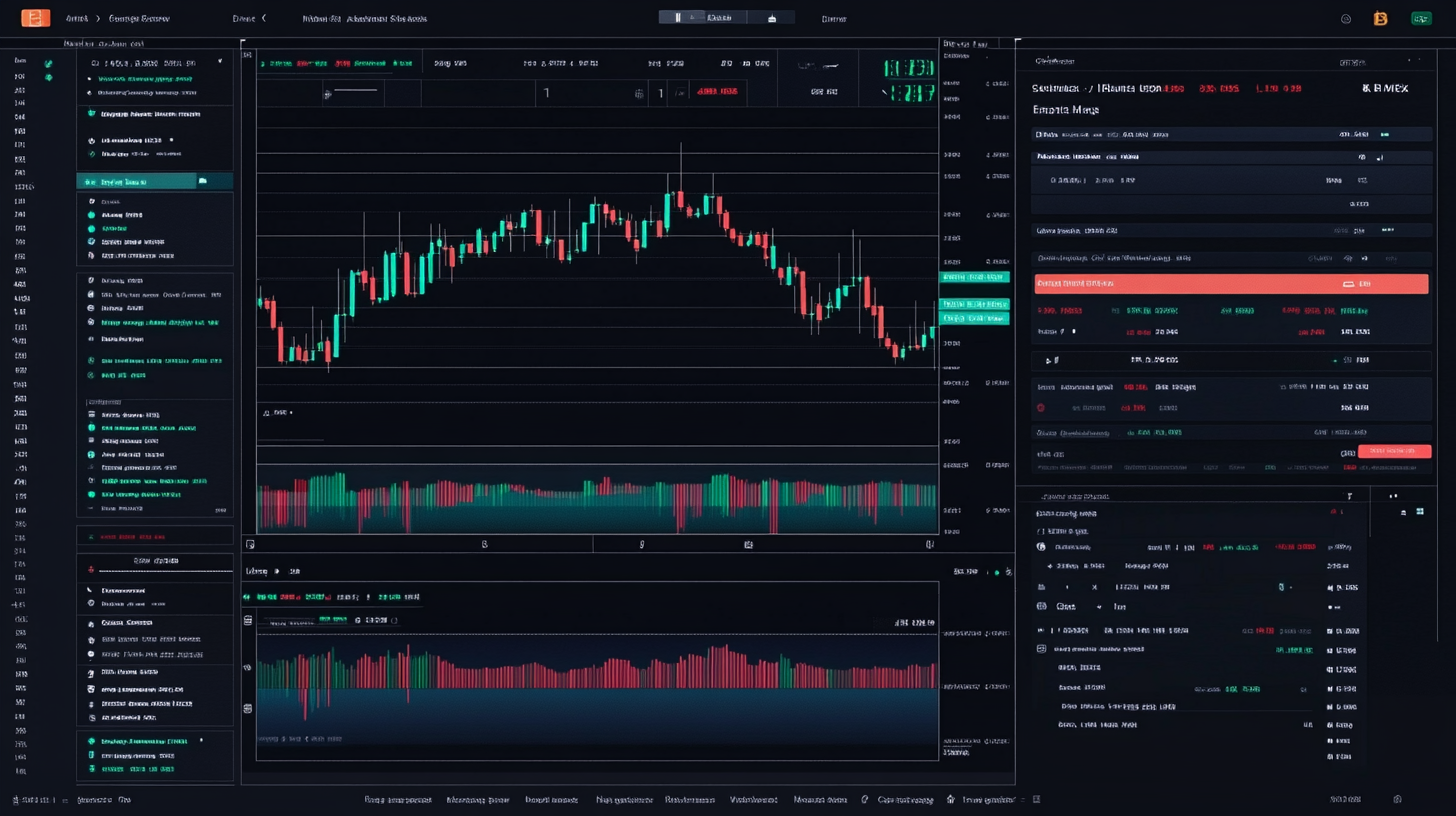
From a desktop browser, the WebTrader held steady during the NY open when spreads typically breathe a bit wider. Layout is clean: watchlist left, chart center, tickets on the side, with market/limit/stop orders plus SL/TP. Execution speed felt acceptable on liquid symbols; I didn’t see “requote” pop-ups, but you can still get slippage around fast prints—welcome to CFDs. If you live and die by MT4/MT5 plug-ins and third-party algo stacks, this proprietary setup will feel slimmer.
Brevundar App: Mobile Trading Experience
The Brevundar app covered the basics I actually care about away from the screens: live quotes, quick position trims, and clean access to deposits/withdrawals. Brevundar login supported biometric unlock on my device, and push notifications for price alerts were reliable. Order tickets on mobile included stops/limits, though chart space is naturally tighter; one-tap close is handy, but it’s also how folks get sloppy in choppy markets.
Charting, Tools & Research
Tools are practical rather than fancy: multi-timeframe charting, common indicators (MA, RSI, MACD, Bollinger), and drawing for levels and trendlines. An economic calendar and a basic news feed are integrated, which is enough to avoid trading blind into CPI/FOMC. Still, if you’re used to cTrader/MT5 depth, advanced backtesting and broad signal marketplaces aren’t the focus here.
Brevundar Account Opening & Minimum Deposit
After entering email, phone, and a short personal-details form, I was routed straight into identity checks—no endless surveys, but enough to satisfy AML. KYC required a government-issued photo ID plus proof of address dated within three months (I used a bank statement), and the verification came through later the same business day. Funding stayed locked to limited amounts until verification was approved, which I consider a healthy sign.
- Minimum Deposit: $200
- Funding Methods: Visa/Mastercard, bank wire, regional e-wallets, and crypto (BTC/USDT)
- Demo Account: $10,000 virtual balance for practicing order types and margin behavior
- Account Types: Standard (spread-only) and Raw/ECN-style (tighter spread + commission)
For folks searching “Brevundar minimum deposit,” the $200 entry point is manageable, but don’t confuse “manageable” with “safe” when leverage runs to 1:500. Base currency selection was offered at setup; pick wisely to reduce conversion costs later, especially if you’re funding by card.
Brevundar Customer Support Review
I tested support by asking live chat to clarify swap/overnight fees on XAU/USD and what time their daily rollover hits. A real agent answered in roughly three minutes and pointed me to the contract-specs screen inside the platform, plus a short explanation of triple-swap timing. I followed up by email about withdrawal processing on bank cards, and the ticket got a clear reply in about nine hours.
Coverage runs 24/5, which fits the forex-and-metals week, but don’t expect much hand-holding late Saturday when crypto markets are moving. Language options looked region-dependent, and phone support wasn’t prominently offered during my check—common for offshore CFD outfits that prefer chat and email records.
Ready to Explore Brevundar?
If you’re considering this broker, I’d start by pricing your main symbols (gold, crude, and one index) during active hours and stress-testing order placement on a demo. Also confirm your country eligibility before you deposit so you don’t get stuck at the verification step.
Brevundar Review FAQ
Is Brevundar good for beginners?
It can be, but only if you treat it like a risk-management class first and a money-making machine second. The interface is approachable and the demo helps, yet the 1:500 leverage ceiling is not beginner-friendly unless you deliberately trade small. New traders should stay on Standard, keep position sizes tiny, and learn how margin calls actually work.
Can I trade crypto on Brevundar?
Yes, crypto is available as CFD trading on pairs like BTC/USD and ETH-based listings. That means you’re speculating on price with leverage rather than moving coins to a wallet. Pay attention to spreads and weekend financing if you hold positions beyond a day.
Is Brevundar a scam?
No, my 2026 hands-on checks didn’t show the classic scam signals—KYC was required, trading functioned normally, and a test withdrawal completed. The more accurate concern is jurisdiction: offshore registration generally offers fewer formal protections than Tier-1 regulators. Trade it like a speculative venue, not a savings account.
Is Brevundar available in the USA?
No, the USA is restricted on this broker. If you’re a US resident, you’ll need a CFTC/NFA-compliant venue for regulated access. The platform may also block signups from other heavily restricted or sanctioned locations.
How long does a Brevundar withdrawal take?
A Brevundar withdrawal typically clears internal processing in 24–48 hours after KYC is in order. Receipt time depends on the rail: cards often take 2–5 business days, wires can run 3–7 business days, and crypto can arrive the same day. In my test, card timing fell within that window.
What is the Brevundar minimum deposit?
The Brevundar minimum deposit is $200 for a live account. That’s enough to trade micro-sized risk on forex or metals, but it’s not enough to “muscle” positions with 1:500 leverage safely. If you’re new, start smaller in exposure than you think you need.
Does Brevundar have a mobile app?
Yes, it offers iOS and Android apps alongside the WebTrader. You can monitor positions, place orders with SL/TP, and handle deposits and withdrawals from the phone. For best results, use alerts and avoid making big leverage decisions on a small screen.
Final Verdict: Should You Use Brevundar in 2026?
Overall Score: 4.0/5
What stood out to me wasn’t marketing—it was that metals and energy were easy to trade without digging through a messy product list, and the Raw/ECN pricing can be rational if you’re active. That said, offshore oversight changes the “safety” conversation, so treat this as a trading venue, not a place to park long-term capital. If you’re comfortable with CFDs, margin, and the reality of slippage during hot data, Brevundar is worth a look—just keep risk tight because leveraged products can cut fast.
Best for: active CFD traders who focus on gold, oil, majors, and indices and want a Standard/Raw choice. Avoid if: you need Tier-1 regulation, US access, or you’re prone to over-leveraging small accounts.