Ananos Capital Trading Platform Alternatives 2026: Reliable Options for Online Traders
Out here in Texas, I like my markets real: crude, gold, copper—things you can weigh, ship, and hedge. A lot of offshore CFD outfits try to wrap that same story in a glossy WebTrader and high leverage. That’s roughly the lane Ananos Capital appears to operate in: a CFD-first brokerage style offering forex and index/commodity CFDs, usually with a proprietary browser platform and a phone app. For traders who want quick access to EUR/USD, oil-linked instruments, or gold CFDs, that can look convenient on day one.
But convenience isn’t the same as protection. When a broker sits in an offshore framework (often outside the FCA, ASIC, CySEC, or NFA umbrella), the questions get sharper: where are client funds held, what happens in a dispute, and how clean is the withdrawal process when you’re trying to take chips off the table? Add in wide “standard” spreads (often around 2.0 pips on EUR/USD for this category), headline leverage that can run up to 1:500, and a WebTrader that may not support MT4/MT5 or cTrader workflows, and it’s easy to see why disciplined traders start searching for Ananos Capital alternatives.
This guide to Ananos Capital trading platform alternatives 2026 is written with a safety-first bias. I’ll walk through what Ananos Capital likely offers, what to watch for in execution and fees, and which regulated platforms can be better fits—especially if your “virtual funny money” exposure is zero and your focus is metals and energy.
Disclaimer: This article is for informational purposes only and does not constitute investment advice. CFDs and other leveraged products can move fast against you and may result in losses exceeding expectations.
Key Takeaways (TL;DR)
- Offshore-style CFD brokers can advertise high leverage, but strong regulation (FCA/ASIC/CySEC/NFA) is where you get clearer rules on client money handling and complaints.
- Compare brokers using round-turn cost (spread + commission) and don’t ignore swap/overnight fees—those can bite hard on multi-day gold or oil holds.
- If you rely on MT4/MT5, cTrader, or advanced order controls, many Ananos Capital alternatives will offer deeper tooling than a basic WebTrader.
What Is Ananos Capital and How Does Its Trading Platform Work?
From what’s typically observable in this broker segment, Ananos Capital presents itself as an online CFD trading venue built around forex and CFDs, with commodities and indices usually included and crypto CFDs commonly appearing on the menu. The overall design points toward retail traders looking for simplicity: a single login, a browser platform, and leverage-heavy access to many markets without owning the underlying assets. In practical terms, that often means you’re trading contracts with the broker as counterparty rather than routing orders to an exchange (so execution quality and pricing transparency matter more than the homepage makes it seem).
Ananos Capital Web Trading Platform: Core Features and Tools
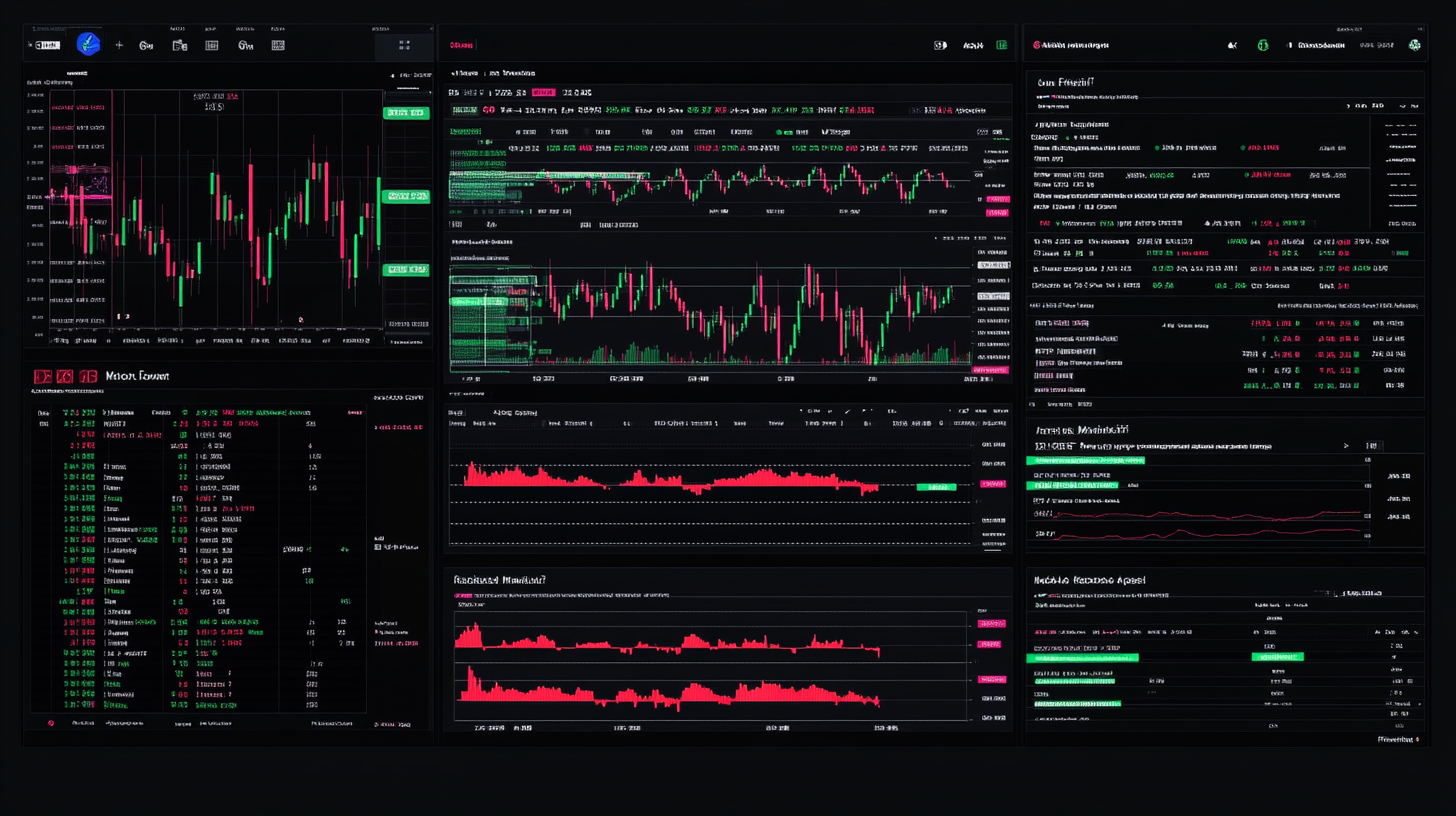
Most proprietary WebTrader stacks in this class deliver the basics: live quotes, one-click dealing, and chart windows that cover common timeframes. Expect a mid-level chart package—enough indicators and drawing tools to mark support/resistance, but not always the depth you’d want for systematic work or heavy backtesting. Order handling is usually straightforward (market and limit/stop orders), while advanced order types and granular controls can be thinner than on MT4/MT5 or cTrader. Mobile apps tend to mirror the WebTrader closely—good for monitoring margin and placing a trade, less ideal for complex multi-chart analysis. This is why traders comparing platforms like Ananos Capital often put platform stack at the top of the checklist.
Trading Fees, Spreads, and Account Types at Ananos Capital
Fee schedules in offshore CFD land usually follow a familiar pattern: a Standard-style account where costs are paid mainly through the spread, and sometimes a “Raw/ECN-style” tier that pairs tighter spreads with a commission. A reasonable expectation for this category is a typical EUR/USD spread around 2.0 pips on the standard offering, and—if a raw account exists—something like 0.0–0.4 pips plus roughly $6 per round turn in commission. Also pay attention to swap/overnight financing (especially on gold and oil CFDs), plus any withdrawal or inactivity charges that can quietly turn into real money over a few months.
When Do Traders Start Looking for Ananos Capital Alternatives?
Leverage is a loaded gun, and 1:500 is the kind of number that can turn a routine pullback into a margin call if you size like a hero. That’s one common spark for switching. Another is the moment a trader tries to run a disciplined workflow—documented fills, consistent execution, and predictable funding/withdrawal rails—and discovers the platform can’t quite keep up. In my experience, the search for Ananos Capital alternatives usually starts when risk management needs a sturdier foundation than an offshore rulebook.
- You need MT4/MT5 or cTrader for an EA, custom indicators, or tighter trade journaling than a basic WebTrader supports.
- Your strategy holds positions overnight in gold or oil, and the swap/financing line item is materially changing outcomes.
- Withdrawals start taking longer than expected, or the broker requests extra documents repeatedly after you’ve already passed KYC.
- You want a regulator with real enforcement muscle (FCA/ASIC/CySEC/NFA) instead of an offshore registration that offers limited recourse.
How to Choose a Reliable Alternative to the Ananos Capital Trading Platform
Think of switching brokers the way you’d think of switching refineries: you don’t just ask who’s “cheaper,” you ask who runs clean, who settles on time, and what happens when something breaks. The best substitutes for Ananos Capital depend on your risk budget, product needs (CFDs vs real assets), and your tolerance for platform limitations. Build your shortlist, then verify each claim the broker makes with primary sources—regulator registers and published disclosures—not just marketing pages.
Regulation, Safety, and Investor Protection
Start with the badge on the door. FCA, ASIC, CySEC, and NFA oversight generally means stricter rules around segregated client funds, complaints handling, and marketing of leverage. In the UK, FCA-regulated firms can fall under the FSCS framework (up to £85,000 in certain cases), while CySEC-linked entities may tie into the ICF (up to €20,000, eligibility-dependent). That doesn’t make trading “safe,” but it can change what happens if a firm fails or a dispute escalates.
Available Markets and Instruments
Some traders only need FX and a handful of commodity CFDs; others need real stocks/ETFs, options, or futures for proper hedging. If your book centers on oil and metals, check whether the broker offers credible energy/metal CFD coverage and—if you hedge—whether futures access exists at all. Multi-asset venues like Interactive Brokers or Saxo Bank can bridge CFDs and exchange-traded products, while many brokers similar to Ananos Capital keep you inside CFDs only.
Trading Costs: Spreads, Commissions, and Other Fees
Ignore “from 0.0 pips” banner talk and price it like a trader. The clean comparison is the round-turn cost: spread paid at entry/exit plus any commission. Add swap/overnight financing if you hold past rollover, and watch for inactivity and withdrawal fees. If EUR/USD is 2.0 pips on one platform versus 0.2 pips + commission on another, the cheaper broker can save real money over a month of active trading—especially for short-hold systems.
Platforms, Tools, and Execution Quality
Platform choice isn’t cosmetic; it shapes execution. MT4/MT5 and cTrader support deeper automation, custom tooling, and more established trade-copy/journaling ecosystems than many WebTrader builds. Execution model matters too: market maker pricing can be fine when managed well, while STP/ECN/DMA-style routing aims for transparent fills but still carries slippage risk in fast markets. If you’re assessing competitors to Ananos Capital, insist on clarity around order handling, re-quotes, and how stop orders behave during volatility.
Support, Education, and Overall User Experience
When money is on the line, response time matters. Look for multilingual support hours that match your trading session, and test the ticketing/chat workflow before funding. Good brokers publish education that explains margin call mechanics, negative balance protection where applicable, and costs like swap. Mobile parity is worth checking too—can you manage margin, place stops, and review history cleanly when you’re away from the desk?
Ananos Capital and Different Asset Classes: When Alternatives May Be Better
Ananos Capital Forex and CFD Trading
Forex and CFD access is usually the core of the Ananos-style offering: a few dozen FX pairs (often 30–50), a small shelf of commodities (commonly 5–10), and major indices. The tradeoff is often cost and tooling. If typical EUR/USD pricing sits around 2.0 pips on a standard account and leverage runs up to 1:500, you’re paying more per turn while taking on bigger margin risk. Regulated Ananos Capital alternatives like Pepperstone or OANDA can be stronger choices for execution and transparency: Pepperstone is widely used by traders who want MT4/MT5/cTrader plus raw-style pricing, while OANDA has a long track record and regulated footprints that include the US (through NFA/CFTC) for eligible clients. For commodity-focused traders, those platform stacks also tend to give more reliable order controls—important when gold spikes $30 in a blink.
Ananos Capital Stock and ETF Trading
If you’re trying to build a long-term portfolio, it matters whether you’re buying real shares/ETFs or just trading a CFD that tracks them. In the offshore CFD model, “stocks” are frequently CFDs only—no shareholder rights, no direct exchange access, and financing costs if you hold leveraged positions. That’s where multi-asset regulated brokers earn their keep. Interactive Brokers (IBKR) is built for broad market access—stocks, ETFs, options, futures, and FX—with a professional-grade toolset and routing options that look more like “real markets.” Saxo Bank is another heavy-hitter for investors who want a single account view across asset classes with robust reporting. For many traders comparing alternatives to the Ananos Capital trading platform, this is the biggest structural upgrade: moving from CFD-only exposure to genuine exchange-traded ownership where it fits.
Ananos Capital Crypto Trading
I’m skeptical of “virtual funny money,” and I’ll say it plain: crypto is a volatility product first and a thesis second. If Ananos Capital offers crypto at all, it’s commonly in the form of crypto CFDs, meaning you’re speculating on price without on-chain ownership or custody in your name. That may be fine for short-term hedges, but it’s not the same as holding coins in a wallet—and it carries the usual CFD leverage and liquidation risk. Regulated substitutes for Ananos Capital such as IG and Plus500 offer crypto CFDs in many regions (availability varies by jurisdiction), with stronger compliance, clearer risk disclosures, and more established controls. If crypto isn’t central to your plan, a tighter approach is to choose a broker for FX/commodities first and treat any crypto access as optional, not a reason to compromise on regulation.
Best Ananos Capital Alternatives for 2026: Comparison of Top Trading Platforms
Interactive Brokers (IBKR): Key Facts and How It Compares to Ananos Capital
Regulation: SEC/FINRA (US), FCA (UK), IIROC (Canada)
Markets: Stocks, ETFs, options, futures, bonds, FX
Fees: Pricing varies by product; FX typically uses spread + commission models depending on plan and region
Platform: Trader Workstation (TWS), IBKR mobile, Client Portal, API
Best For: Multi-asset hedgers who need real market access
Pepperstone: Key Facts and How It Compares to Ananos Capital
Regulation: FCA (UK), ASIC (Australia), CySEC (EU), DFSA (UAE)
Markets: FX, CFDs (indices, commodities, some shares depending on entity)
Fees: Standard spreads commonly around ~1.0–1.3 pips on EUR/USD; Raw-style pricing can run ~0.0–0.3 pips + commission (varies by platform/entity)
Platform: MT4, MT5, cTrader, TradingView (where available)
Best For: Active FX/CFD traders running MT4/MT5 or cTrader
Saxo Bank: Key Facts and How It Compares to Ananos Capital
Regulation: FCA (UK), MAS (Singapore), DFSA (UAE)
Markets: Stocks, ETFs, bonds, options, futures, FX, CFDs
Fees: Costs depend on product and pricing tier; FX/CFD pricing is typically spread-based with tiered schedules
Platform: SaxoTraderGO, SaxoTraderPRO
Best For: Investors who want premium research and reporting
IG: Key Facts and How It Compares to Ananos Capital
Regulation: FCA (UK), ASIC (Australia), MAS (Singapore)
Markets: CFDs (FX, indices, commodities, shares), spread betting (UK/IE), some share dealing in certain regions
Fees: CFD pricing is typically spread-based; major FX pairs often priced from ~0.6–1.0+ pips depending on market conditions
Platform: IG web platform, IG mobile, MT4 (where offered)
Best For: Macro and news-driven CFD traders
OANDA: Key Facts and How It Compares to Ananos Capital
Regulation: CFTC/NFA (US), FCA (UK), ASIC (Australia), IIROC (Canada)
Markets: FX, CFDs (availability varies by region), metals in many regions
Fees: Typically spread-based pricing; EUR/USD often around ~0.8–1.6 pips depending on account type and market conditions
Platform: OANDA web platform, OANDA mobile, MT4 (where offered)
Best For: Risk-controlled traders who value long regulatory history
Plus500: Key Facts and How It Compares to Ananos Capital
Regulation: FCA (UK), CySEC (EU), ASIC (Australia), MAS (Singapore)
Markets: CFDs (FX, indices, commodities, shares, crypto CFDs where permitted)
Fees: Spread-based CFD pricing; typical costs vary by instrument, with additional overnight funding on leveraged holds
Platform: Plus500 proprietary WebTrader, Plus500 mobile app
Best For: Simplicity-first CFD traders who don’t need MT4
Comparison Summary
| Platform | Regulation | Main Markets | Typical Costs | Best For |
|---|---|---|---|---|
| Interactive Brokers (IBKR) | SEC/FINRA, FCA, IIROC | Stocks/ETFs, options, futures, bonds, FX | Product-based pricing; FX often spread + commission by plan/region | Multi-asset hedgers who need real market access |
| Pepperstone | FCA, ASIC, CySEC, DFSA | FX and CFDs (indices/commodities; shares CFDs vary) | ~1.0–1.3 pip Standard; ~0.0–0.3 pip + commission on Raw-style | Active FX/CFD traders running MT4/MT5 or cTrader |
| Saxo Bank | FCA, MAS, DFSA | Stocks/ETFs, options, futures, FX, CFDs | Tiered schedules by product; generally spread-based for FX/CFDs | Investors who want premium research and reporting |
| IG | FCA, ASIC, MAS | CFDs (FX/indices/commodities/shares); spread betting in UK/IE | Mostly spread-based; majors often from ~0.6–1.0+ pips | Macro and news-driven CFD traders |
| OANDA | CFTC/NFA, FCA, ASIC, IIROC | FX; CFDs/metals where available | Primarily spread-based; EUR/USD often ~0.8–1.6 pips | Risk-controlled traders who value long regulatory history |
| Plus500 | FCA, CySEC, ASIC, MAS | CFDs across FX/indices/commodities/shares; crypto CFDs where permitted | Spread-based; overnight funding applies on leveraged positions | Simplicity-first CFD traders who don’t need MT4 |
How to Safely Move from Ananos Capital to Another Broker
Switching brokers is less about “finding a better app” and more about controlling operational risk—IDs, banking rails, open exposure, and records. Before you move serious capital, treat the process like a checklist you’d use before a big commodity position: verify, document, and size down until you trust the new execution. If you’re exiting Ananos Capital, plan the sequence so you’re never forced to liquidate in a hurry due to delays or margin pressure.
- Confirm the new broker’s license on the regulator’s public register (FCA Register, ASIC Connect, CySEC directory, or NFA BASIC) and match the legal entity name exactly.
- Open the new account and complete KYC/AML upfront (government ID + proof of address), so funding and withdrawals aren’t blocked later.
- Audit your open positions and margin usage; close exposure you don’t intend to recreate, because position transfers between unrelated brokers usually aren’t available.
- Download statements, trade history, and funding records for taxes and dispute evidence before you initiate any closure steps.
- Withdraw funds using the same deposit method where possible; that “same-rail” rule is a common AML control and can reduce friction.
Ready to Explore Ananos Capital?
If you’re still evaluating the current offering, compare the platform tools, funding rules, and regional eligibility against the regulated options above before committing fresh capital. A quick walkthrough of spreads, swaps, and withdrawal steps can tell you more than a marketing page ever will.
FAQ: Ananos Capital Alternatives and Trading Platforms
What is the best alternative to Ananos Capital in 2026?
The best option depends on whether you need real stocks/ETFs or you’re strictly trading CFDs. For broad, exchange-traded access, Interactive Brokers (IBKR) is hard to beat; for MT4/MT5/cTrader-focused FX and commodity CFD trading, Pepperstone is a strong candidate. Traders who prioritize simple WebTrader-style UX sometimes prefer Plus500, but they give up MT4-style flexibility.
Is Ananos Capital a safe broker/platform?
Safety depends heavily on regulation and the legal entity you’re actually contracted with, and offshore-style CFD providers generally offer less investor protection than FCA/ASIC/CySEC/NFA-regulated firms. Even if a platform functions smoothly, high leverage (often marketed up to 1:500 in this segment) can magnify losses quickly. If you use Ananos Capital, focus on withdrawal reliability, clear fee disclosure (including swap), and written proof of where client funds are held.
Can I trade stocks, futures, or crypto with Ananos Capital?
With brokers in this category, stocks are commonly offered as CFDs rather than as real share dealing, and exchange-traded futures are frequently not offered at all. Crypto exposure, where available, is typically via crypto CFDs—price speculation without on-chain ownership. If you need real stocks/ETFs or futures, regulated multi-asset brokers like IBKR or Saxo Bank are usually better fits.
What should I check before switching from Ananos Capital to another platform?
Verify the new broker’s regulator listing first (FCA/ASIC/CySEC/NFA) and make sure you’re onboarding to the correctly licensed entity for your country. Next, compare round-turn trading costs (spread + commission) and read the swap/overnight schedule for the instruments you actually trade. Finally, complete KYC early and test withdrawals and execution with a small amount before moving your full account.
About the Author: Bill Henderson is a Texas-based commodities trader and financial journalist who focuses on oil, gold, and industrial metals. He’s skeptical of hype-driven products and evaluates brokers the old-fashioned way: execution, costs, and how they handle client money when markets get rough.